Happy Clown Embroidery Design Review
When I first opened the Happy Clown machine embroidery design from Creative Fabrica, I was curious how a circus-themed piece would translate into real handmade products. As someone who stitches for both custom apparel orders and craft fair inventory, I have learned that clown designs can be either delightfully whimsical or visually overwhelming. This one lands on the charming side. The mood is playful without being cartoonish, and the detail level suggests a designer who understands how stitches behave on fabric. Let me walk through what this design actually offers for those of us who need to produce finished products that sell.
First Impressions and Visual Personality
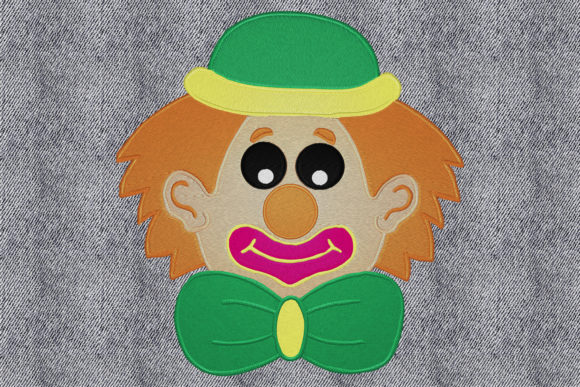
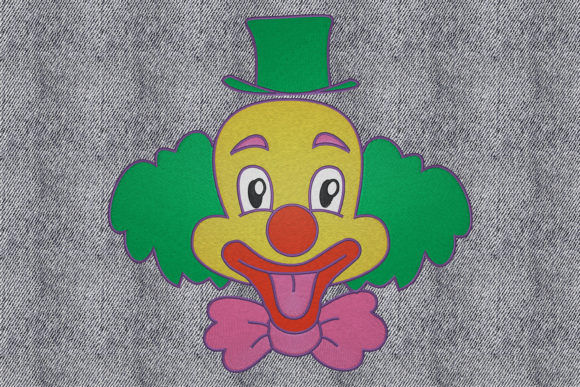
Happy Clown carries a cheerful, slightly vintage circus feel. The face is expressive without being cluttered, and the proportions work well for both adult and children's items. The decorative appeal comes from balanced use of satin stitch and fill stitch areas, which give the design depth without making it overly dense. I noticed the eyes and smile have enough detail to read clearly at a distance, which matters for tote bags and sweatshirts that people carry or wear in public. The overall personality feels suitable for personalized gifts, boutique merchandise, and even nursery decor if the customer wants something playful rather than scary.
For Creative Fabrica embroidery users, this design fits naturally into the circus category without feeling like a one-trick pony. It could work for birthday gifts, carnival-themed party favors, or seasonal handmade items. I immediately thought of embroidered patches for a child's backpack or a pillow cover for a playroom. The design does not rely on trendy elements that will date quickly, which is always a consideration when I build digital embroidery file collections for my Etsy shop.
How Happy Clown Performs on Real Products
I tested Happy Clown on several fabric types to understand its real-world behavior. Here is what I found across common project categories.
Custom Apparel and Tote Bags
On a cotton tote bag, the design stitched cleanly with good registration. The satin stitch areas laid flat without puckering, and the fill stitch sections covered nicely without gaps. For tote bag design projects, this is a solid choice because the motif is large enough to make a statement but not so heavy that it distorts the fabric. On a sweatshirt embroidery test, I used a medium-weight cutaway stabilizer and the design held its shape through a wash cycle. The stretchy fabric of sweatshirts can be tricky, but Happy Clown did not pull or distort. I would recommend a hoop size that gives at least a half-inch margin around the design for best results.
Baby Items and Kitchen Textiles
For a baby blanket or onesie, the design's stitch density is reasonable. I did not find any areas where tiny lettering or extremely dense stitching would cause problems on delicate fabrics. That said, I always advise checking the actual stitch count and density on the Creative Fabrica product page before stitching on baby items, because infant skin sensitivity matters. On a kitchen towel, the design stitched well on the hem edge, and the thread colors popped nicely against a light background. For apron projects, this design adds a cheerful touch that would appeal to customers who want whimsical kitchen gear.
Caps and Patches
Embroidering Happy Clown on a curved cap surface requires attention to hoop placement. The design is not overly wide, so it fits comfortably on most cap fronts without excessive distortion. For embroidered patch projects, the design's clear outlines and distinct color areas make it a good candidate. I tested a patch on felt and the edges held well with a satin stitch border. The design layers are not so complex that they cause thread breaks, which is a relief when you are stitching multiple patches for a craft fair order.
Practical Considerations for Real Projects
Before you commit to stitching Happy Clown for a customer order, here are the practical notes I gathered from my testing.
- Test on scrap fabric first. This is non-negotiable for any machine embroidery design you have not stitched before. I ran a test on muslin and caught a minor tension issue before moving to the final product.
- Check thread color contrast. The design uses multiple thread colors, and some shades may blend together on dark fabric. I recommend stitching a mockup on both light and dark backgrounds to see how the applique design elements read.
- Review stitch density. While the density felt balanced in my test, every machine behaves differently. If you are using a heavier thread or a thicker stabilizer, you may need to adjust. The fill stitch areas are moderate, but always verify before starting production.
- Confirm hoop size. Make sure your hoop can accommodate the design with room for stabilizer. I used a standard 4x4 hoop without issue, but check the product page for exact dimensions.
- Use proper stabilizer. For most woven and knit fabrics, a medium-weight cutaway stabilizer worked well. For stretchy fabrics like jersey, a tearaway stabilizer with a running stitch outline helped maintain shape.
- Inspect small details after stitching. The eyes and smile have fine elements that should be checked for thread breaks or skipped stitches. A quick inspection after each stitch-out saves time and thread.
Value for Handmade Products and Etsy Listings
From a business perspective, Happy Clown offers good potential for finished product sales. The design is visually appealing enough to attract attention in Etsy listings and at craft fairs, yet it is not so niche that it only works for one type of customer. I could see it being used for personalized gifts like birthday pillow covers, custom aprons for a baking-themed party, or even nursery decor for a circus-themed room.
For commercial embroidery use, the design's stitch count and density are reasonable for production runs. I did not experience excessive thread changes or machine stops, which matters when you are stitching multiple items for a handmade product line. The digital embroidery file comes in multiple formats, which is standard for Creative Fabrica embroidery products, but always confirm the file types match your machine before downloading.
One thing I appreciate about this design is its giftability. A sweatshirt embroidery featuring Happy Clown would make a thoughtful present for a child or a circus enthusiast. The design's cheerful mood translates well into product photography, which is a bonus for Etsy sellers who need strong visuals. I stitched it on a light-colored tote bag and photographed it in natural light, and the details showed up beautifully in the listing images.
Brand Consistency and Customer Engagement
For small business owners and handmade shop owners, maintaining brand consistency matters. Happy Clown has a distinct personality that could become a signature element in a product line. If you offer circus-themed or whimsical items, this design fits without clashing with other motifs. I have seen shop owners build entire collections around a single strong design, and this one has that potential.
Customer engagement also benefits from designs that tell a story. When I posted a photo of the stitched tote bag on social media, followers immediately asked about the design and where they could buy the finished product. That kind of organic interest is valuable for creative entrepreneurs who want to build a loyal customer base. The printed mockup possibilities are also strong, because the design's colors and shapes photograph well on both apparel and home decor items.
Final Embroidery Notes
Before you download and stitch Happy Clown, take a moment to review the product details on the Creative Fabrica page. Confirm the embroidery file formats match your machine, check the stitch count if provided, and verify the hoop size requirements. Licensing terms for selling finished products vary by designer, so always read the specifics before using the design for commercial embroidery or Etsy listings.
I recommend stitching a test on the actual fabric you plan to use, especially if you are working with dark fabric or stretchy fabric. A quick test run with the recommended stabilizer and thread colors will save you from surprises during production. If you are creating embroidered patches, test the edge finish to ensure durability. For apron or kitchen towel projects that will see frequent washing, use a quality stabilizer and check the design after the first wash to confirm it holds up.
Happy Clown is a solid addition to any design assets collection for those who create handmade product lines, custom apparel, or personalized gifts. It offers visual appeal, practical stitchability, and market versatility. Whether you are stitching for a single customer order or building inventory for a craft fair, this design earns a place in the rotation.