Happy Frog Embroidery Design Review for Boutique Apparel
When I first opened the Happy Frog machine embroidery design from Creative Fabrica, I was immediately struck by its playful yet polished personality. As someone who has digitized and stitched hundreds of animal motifs for boutique apparel, I know that a design like this can either feel like a charming accent or a missed opportunity, depending on how it's built. This review comes from the perspective of an embroidery designer who is actively planning a small sweatshirt and hoodie collection for an online shop, and I want to share what I see in Happy Frog before committing thread to fabric.
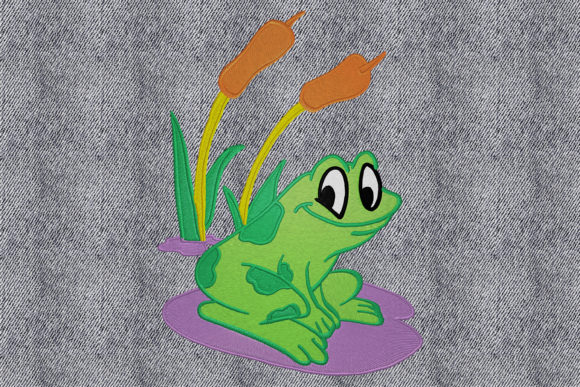
What makes this embroidery file stand out at first glance is its balance of detail and readability. The frog has a friendly, expressive face that reads clearly at small sizes, yet the linework and fill areas suggest a design that can hold its own as a chest or back focal point. The mood is playful, casual, and slightly whimsical without being childish, which makes it appropriate for a wide range of boutique customers—from young adults looking for cozy sweatshirts to parents searching for unique gifts. It feels like a design that could easily become a signature motif for a boutique brand that wants to blend cute with wearable.
For apparel decorators evaluating this Creative Fabrica embroidery product, the first question is always: will it stitch cleanly on real garments? Based on the visual structure of Happy Frog, I see a design that is likely to perform well on medium-weight fabrics like fleece, cotton sweatshirt material, and denim. The stitch density appears moderate, which is a good sign for both fabric stability and production speed. I will discuss how this design holds up across different garment types, placement options, and production scenarios in the sections ahead.
Visual Personality and Stitching Mood of Happy Frog
Happy Frog carries a distinct visual personality that leans toward trendy, minimal, and approachable. The frog's expression is genuinely cheerful, with eyes and a mouth that feel intentional rather than generic. This matters for custom apparel because customers are drawn to designs that convey emotion and character. A frog that looks truly happy invites connection, and that connection translates into sales for Etsy sellers and small shop product creators.
The stitching mood here is lighthearted yet sturdy. The design avoids overly fine details that might get lost in the nap of fleece or the texture of a sweatshirt. Instead, it uses clear shapes and defined edges that will read well from a distance. This is a significant advantage for commercial embroidery work where consistency across multiple units is key. I would describe the decorative strength as bold enough to stand alone, but subtle enough to pair with text or other motifs if you are building a layered design for a hoodie back or sleeve accent.
From a brand identity perspective, Happy Frog feels like a design that could anchor a nature-inspired collection, a playful animal series, or even a seasonal drop for spring and summer. It is not overly feminine or rustic, which broadens its appeal. It could work on neutral sweatshirts, pastel hoodies, dark apparel, or even oversized garments. The frog's mood is universally friendly, and that is a strong asset for handmade product lines that need to resonate with diverse buyers.
How Happy Frog Performs on Sweatshirts and Hoodies
When I evaluate a machine embroidery design for sweatshirt embroidery, I consider three factors: how it lays on fleece, how it behaves during stitching, and how it looks after washing. Happy Frog appears to be well-suited for these applications. The design's moderate stitch count means it will not create excessive stiffness on a sweatshirt front, and the fill areas are likely to stitch smoothly without puckering on properly stabilized fleece.
For hoodie design, I see several placement opportunities:
- Chest placement: At a finished size of roughly 3 to 4 inches, Happy Frog would sit nicely on the left chest of a hoodie or sweatshirt. This is the classic boutique placement, and the design's clear silhouette ensures it will read well even at this smaller scale.
- Center chest: Sized up slightly, the frog could become a bold center chest statement on a pullover or zip hoodie. This works especially well on pastel or neutral colors where the thread color contrast can pop.
- Sleeve accent: For a more subtle look, Happy Frog could be scaled down and placed on a sleeve. The design's simple shape makes it a good candidate for this placement, which is popular among apparel decorators who want to offer unique positioning.
- Back design: While this is a smaller motif, it could be used as a back neck accent or combined with other elements for a larger back layout. For a single-motif back design, I would recommend testing the size against the garment's back panel to ensure it feels proportional.
On t-shirt embroidery, the frog will perform even better due to the lighter fabric. A cotton or cotton-blend tee with proper stabilizer will hold the stitches cleanly, and the design's density is unlikely to cause distortion. For tote bag design, Happy Frog is a natural fit. Tote bags typically have a flat, stable surface that works well with medium-density embroidery, and the playful frog motif is exactly the kind of detail that sells well at markets or in Etsy listings.
Placement Considerations for Different Garment Types
Experienced embroidery designers know that placement is as important as the design itself. For Happy Frog, I have mapped out a few placement scenarios based on garment type and intended use. These are the considerations I would run through before cutting thread.
Small Chest Placement on Structured Garments
On a sweatshirt or hoodie, a small chest placement of Happy Frog around 2.5 to 3 inches wide will look polished and professional. The design's details will remain visible, and the stitching will not overwhelm the garment. This placement is ideal for boutique brand owners who want a subtle signature motif. However, be aware that fleece can stretch slightly during hooping, so using a cutaway stabilizer is recommended to maintain shape.
Larger Placement on Oversized Garments
For oversized sweatshirts or hoodies, scaling Happy Frog up to 4.5 or 5 inches for a center chest or upper back position can create a bolder look. At this size, the stitch density becomes more critical. If the design has dense fill areas, scaling up may increase stitch count and potentially cause thread breaks or fabric distortion. I always recommend testing the scaled design on a scrap garment before committing to a production run.
Designs on Dark Apparel
When stitching Happy Frog on dark garments, thread color choice becomes a major factor. A bright green, yellow, or even white thread will pop against black or navy fleece. If the design includes small details like eyes or outlines, ensure the thread colors provide sufficient contrast. I would also suggest using a white bobbin thread to avoid show-through on lighter areas of the design.
Avoiding Problem Areas
I would caution against placing Happy Frog on areas that experience heavy stretch or wrinkling, such as the center of a hoodie pocket, the ribbed hem, or the cuff of a sleeve. These areas can distort the stitching and cause the design to look uneven. Similarly, tiny lettering or very small details within the frog may not stitch cleanly on stretchy fabrics, so confirm the design's minimum detail size before committing to a small hoop.
Technical Considerations: Stitch Density, Stabilizer, and Thread
Before I stitch any digital embroidery file on a finished garment, I go through a checklist of technical details. For Happy Frog, here is what I would evaluate:
- Stitch density: The design appears to have a moderate density, which is suitable for most apparel fabrics. If the density is too high, it can cause stiffness on lightweight tees or puckering on fleece. If too low, the fill may look sparse. I recommend checking the stitch count in your embroidery software before hooping.
- Stabilizer choice: For sweatshirts and hoodies, a medium-weight cutaway stabilizer is my go-to. For t-shirts and tote bags, a tear-away stabilizer may be sufficient, but cutaway provides more stability for designs with moderate density. Always test on a scrap piece of the same fabric.
- Thread color contrast: Happy Frog is a single motif, so thread color choices are critical. I would consider using a bright green for the body, a lighter green or yellow for the belly, and black or dark brown for the eyes. A metallic or neon thread could also give the design a trendy edge for social media graphics and printable mockups.
- Hoop size: Confirm the finished size of the design in your software and select a hoop that allows at least one inch of clearance on all sides. A 4x4 hoop should accommodate a small to medium placement, but for larger sizes, a 5x7 hoop may be needed.
- Licensing: Before selling finished apparel with Happy Frog, review the Creative Fabrica product details and licensing terms. The product description states that this machine embroidery design comes with multiple file formats and can be used for pillows, t-shirts, sweatshirts, and more. Confirm that commercial use is permitted for your specific business model, especially if you plan to sell finished product in volume.
How Happy Frog Affects Apparel Value and Brand Identity
In the world of custom apparel, a well-chosen embroidery design can elevate a plain garment from ordinary to memorable. Happy Frog has the potential to do exactly that for small clothing brands and Etsy sellers. The design's friendly character creates an emotional hook that customers remember, and that emotional connection often translates into repeat purchases and word-of-mouth referrals.
From a product recognition standpoint, a distinctive motif like Happy Frog helps a brand stand out in a crowded marketplace. When customers see a frog on a sweatshirt, they may associate it with your brand's playful, nature-loving identity. This is especially valuable for handmade business owners who are building a visual narrative around their products. The frog becomes a recognizable symbol that customers seek out.
For professional presentation, Happy Frog stitches cleanly enough to be featured in product photos, printable mockups, and social media graphics. A well-stitched garment with this design will photograph beautifully, and that visual quality builds buyer trust. Customers who see a crisp, professional embroidery are more likely to believe in the quality of the entire product line.
For visual consistency across a collection, Happy Frog can be paired with other animal motifs or nature-inspired elements to create a cohesive series. This approach works well for small shop products that need to feel curated rather than random. A frog, a mushroom, a leaf, and a snail could form a charming woodland collection that appeals to a specific audience.
Finally, customer engagement often increases when a design has personality. Happy Frog invites comments, shares, and tags on social media, which can amplify your reach without additional advertising spend. For Etsy sellers and boutique owners, this organic engagement is gold.
Practical Embroidery Designer Notes Before Production
Before you stitch Happy Frog on a garment for a customer or a collection, I strongly recommend these practical steps:
- Test on scrap fabric: Always stitch the design on a piece of fabric similar to your final garment. This lets you check stitch quality, density, and thread tension without risking a finished product.
- Check stabilizer choice: As mentioned, fleece and sweatshirt material require a cutaway stabilizer for best results. Test with both tear-away and cutaway to see which gives the cleanest finish.
- Review thread color contrast: Hoop a test piece in the actual thread colors you plan to use. Check contrast against the garment color, especially if the fabric is dark or patterned.
- Confirm hoop size: Ensure the design fits within your hoop with adequate clearance. A design that is too large for the hoop can cause stitching errors and fabric distortion.
- Inspect stitch density: If the design has dense areas, consider whether the fabric can handle the stitch count. Lightweight fabrics may need a lighter density or a different stabilizer.
- Test on similar garment fabric: If you are using a specific brand of sweatshirt or hoodie, test on that exact fabric. Different brands have different weaves and finishes that affect stitch quality.
- Compare placement options: Stitch the design at different sizes and positions on test garments to see what looks best for your target audience.
- Check Creative Fabrica product details: Confirm the file formats included, any applicable license terms, and whether the design is compatible with your embroidery machine. The product description states it comes with multiple file formats, but verify which ones you need.
Final Thoughts on Happy Frog for Boutique Apparel
Happy Frog is a machine embroidery design that brings genuine personality to apparel projects. From sweatshirt embroidery to tote bag design, it offers versatility, charm, and a professional finish that apparel decorators and boutique brand owners will appreciate. Whether you are an Etsy seller building a seasonal collection, a small shop product creator looking for a signature motif, or a handmade business owner exploring new designs, Happy Frog is worth considering for your next run of custom apparel.
As with any digital embroidery file, the key to success lies in proper testing, appropriate stabilizer choice, and thoughtful placement. With those elements in place, Happy Frog can become a reliable and beloved addition to your commercial embroidery offerings. I will be adding it to my own collection plans for this season, and I suspect many of you will find it equally useful for your finished product lines.