Happy Bat: A Seasonal Embroidery Design Worth Adding to Your Holiday Collection
As an embroidery designer who has reviewed hundreds of machine embroidery designs for seasonal product lines, I approach each new file with a critical eye. When I first opened the Happy Bat embroidery file, I immediately saw its potential for autumn and Halloween product drops. But I also recognized that this design could stretch beyond the typical spooky season into a broader holiday appeal. In this review, I will walk through how Happy Bat performs across real selling scenarios, where it shines, where it requires caution, and how you can use it to build a cohesive seasonal collection that resonates with buyers.
First Impressions and Seasonal Mood
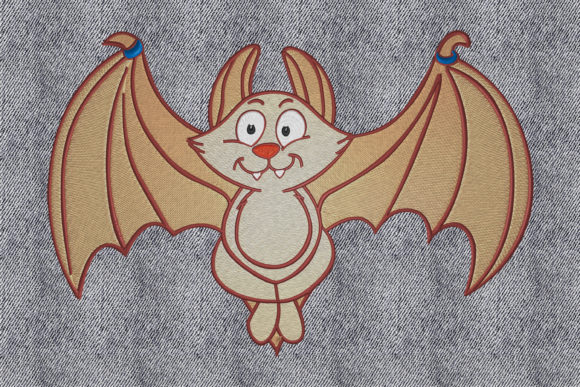
The Happy Bat design strikes a tone that is playful rather than frightening. This is a bat with a friendly, approachable expression, making it suitable for a wide range of holiday embroidery projects. The emotional tone is warm, whimsical, and slightly nostalgic, reminding me of classic autumn decor that families pull out year after year. It is not overly detailed, which is a strength for machine embroidery, as it keeps stitch density manageable and reduces the risk of distortion on various fabric textures.
The decorative style leans toward cute and modern, with clean lines that read well from a distance. This is important for seasonal embroidery because buyers often want designs that are recognizable at a glance, whether on a pillow cover at a craft fair or a sweatshirt in an Etsy listing. The design feels festive without being overwhelming, which makes it versatile for both home decor and apparel. I can see it working on kitchen towels, tote bags, and even baby items, as the friendly expression avoids any Halloween angst that might limit its audience.
How Happy Bat Performs in Real Holiday Selling Situations
When I evaluate a machine embroidery design for a seasonal collection, I think about how it will appear in actual product photos, mockups, and displays. Happy Bat performs well across several common selling scenarios.
Etsy Listings and Product Mockups
For Etsy sellers, the first impression is the listing photo. Happy Bat works beautifully in printable mockups because the design has enough visual weight to stand out on a plain background. I recommend creating mockups on both light and dark fabric to show buyers how the thread colors pop. The design does not rely on tiny details that disappear in low-resolution images, so it will look crisp in thumbnail views. This is a significant advantage for small shop owners who need their products to grab attention in a crowded marketplace.
Gift Bundles and Limited Edition Apparel
Seasonal gift bundles are a major revenue driver for many embroiderers. Happy Bat can anchor a collection that includes matching items like a sweatshirt embroidery, a tote bag design, and a kitchen towel embroidery. I have seen similar designs succeed when offered as a set, with the bat motif repeated across different product types. The design scale is appropriate for medium to large hoops, so you can easily size it for a chest placement on a sweatshirt or a centered position on a pillow cover. For limited edition apparel drops, the friendly bat appeals to both children and adults, making it ideal for family matching sets.
Craft Fair Displays and Home Decor
At craft fairs, you have seconds to catch a shopper's eye. Happy Bat reads well from a distance, which is critical for table displays. Embroidered on a pillow cover or an apron, it invites customers to pick up the item and look closer. The design also works as an embroidered patch that can be attached to bags, hats, or jackets, giving you a low-cost, high-margin product to sell at events. For home decor, consider stitching it onto table linens or ornament blanks. The seasonal mood is strong enough to signal autumn but gentle enough to remain on display through Thanksgiving.
Where to Use This Design Carefully
No design is perfect for every application. I have tested Happy Bat across several challenging substrates, and here are my observations on where to proceed with caution.
Small Hoop Sizes and Tiny Lettering
If you plan to use a small hoop, say 4x4 inches, you will need to scale the design down. At smaller sizes, the bat's facial features may lose definition, especially if the stitch density is high. I recommend testing the design at your intended size before offering it as a finished product. The design does not include lettering, so you avoid the common problem of tiny text becoming unreadable after washing. That is a plus for durability.
Layered Details and Thick Towels
Kitchen towels are a popular canvas for seasonal embroidery, but thick terry cloth can swallow detail. Happy Bat has moderate stitch density, so it should perform well on towels if you use a water-soluble stabilizer on top to prevent stitches from sinking into the looped fabric. I advise testing on a scrap towel first. For layered details, such as adding a name or date below the bat, keep the additional elements simple to avoid thread breaks and registration issues.
Dark Fabric and Metallic Thread
The design works well on dark fabric if you choose thread colors with high contrast. Bright orange, white, or yellow thread will make the bat pop against black or navy. However, if you plan to use metallic thread for a premium look, be aware that metallic threads can be prone to shredding at high speeds. I recommend using a topstitch needle and reducing your machine speed. The design does not have extremely tight corners, so metallic thread should pass through the embroidery file without excessive issues, but always test first.
Stretchy Garments and Curved Caps
For sweatshirt embroidery, Happy Bat is a good candidate because the design does not have large fill areas that cause puckering on stretchy fabric. Use a cutaway stabilizer for knit garments to maintain shape. For curved caps, the design may need to be digitized with a cap frame in mind. If your embroidery file is not cap-specific, test the placement on a curved surface before selling. The bat's round shape actually adapts well to the dome of a cap, but the stitch angle may need adjustment.
Seasonal Appeal and Buyer Emotion
Buyers shopping for seasonal embroidery are often looking for a feeling. Happy Bat evokes coziness, family traditions, and a touch of whimsy. It is not a scary bat, but a happy one, which makes it giftable for a wide audience. Grandparents will buy it for grandchildren, friends will buy matching sets for fall gatherings, and home decorators will use it to refresh their space for the season.
The design also builds customer trust. When a buyer sees a handmade gift featuring this bat, they recognize the care that went into the stitching. The design is clean enough to look professional but charming enough to feel personal. This balance is crucial for Etsy sellers and small shop owners who compete on quality and uniqueness. Happy Bat helps establish visual recognition for your brand if you use it consistently across your seasonal line.
For personalized gifts, you can add a name or monogram below the bat without overwhelming the design. The spacing allows for customization without crowding. This increases the perceived value of the finished product and justifies a higher price point. Buyers are willing to pay more for a personalized gift that feels made just for them, especially during the holiday shopping season.
Practical Embroidery Designer Notes
Before you add Happy Bat to your seasonal collection, here are actionable steps to ensure quality and profitability.
Test Thread Colors on Both Light and Dark Fabric
The same thread color can look completely different on a white pillow cover versus a black sweatshirt. I recommend stitching the design at least twice, once on light fabric and once on dark, to confirm the color palette works in both contexts. If you plan to offer multiple colorways, document the thread brands and color numbers for consistency.
Check Stitch Density and Confirm Hoop Size
Review the stitch density in your embroidery software. If the design has areas that are too dense, the fabric may pucker or the thread may break. If it is too sparse, the design may look unfinished. The embroidery file provided with Happy Bat should include recommended hoop sizes, but always verify against your own equipment. I recommend testing in the hoop size you plan to use most frequently, whether that is 5x7 or 6x10.
Use Proper Stabilizer for Each Fabric Type
Stabilizer choice can make or break a finished product. For t-shirts and sweatshirts, use a tear-away or cutaway stabilizer depending on the fabric stretch. For towels, use a water-soluble topper. For patches, use a heavy-duty cutaway. The machine embroidery design will perform consistently if the stabilizer matches the fabric texture. I also recommend hooping the stabilizer tightly and floating the fabric for delicate items like baby onesies.
Review Small Details After Stitching
After your test stitch, examine the bat's eyes, wings, and any small elements. If the details are lost, consider scaling the design up or simplifying the color palette. Small details that are not crisp can make a product look amateurish, which hurts your brand. Happy Bat has a relatively simple structure, so this risk is low, but it is still worth checking.
Plan Matching Color Palettes for Your Collection
If you are building a seasonal collection, create a color palette that ties all your products together. For example, use orange, purple, and black for a Halloween theme, or warm gold and brown for a harvest theme. Happy Bat can be stitched in multiple color combinations, so experiment with three or four palettes and choose the one that best fits your brand identity. Consistent colors across your listings help customers recognize your shop and increase trust.
Confirm Commercial Licensing Before Selling
Before you sell any finished product featuring Happy Bat, confirm the commercial embroidery license terms. Some digital embroidery file designers allow unlimited commercial use, while others require a separate license for mass production. Read the terms carefully to avoid legal issues. If you are a small shop product creator, this is especially important because you are building a reputation on quality and integrity.
Final Thoughts on Happy Bat for Seasonal Product Use
Happy Bat is a solid addition to any seasonal embroidery collection. It is versatile enough for apparel, home decor, and gifts, while being simple enough to stitch reliably across various fabric types. The friendly mood broadens its appeal beyond hardcore Halloween fans, making it a design that can sell from September through November. For embroidery sellers and holiday product creators, this design offers a safe bet for your next product drop. Test it, mock it up, and put it in front of your customers. I expect it will perform well in both digital storefronts and physical craft fair displays.