Dancing Line: A Craft Fair Embroidery Design Review
As an embroidery designer who has digitized thousands of stitches and stocked countless craft fair booths, I know the difference between a design that sells and one that sits. When I first opened the Dancing Line machine embroidery design, I immediately recognized its potential for the handmade market. This is not a fussy, overcomplicated file. It is a clean, flowing line art piece that captures the grace of dance with a single continuous stroke. Whether you are an Etsy seller looking to expand your digital embroidery file offerings or a small shop owner preparing for a weekend market, Dancing Line deserves a close look. Let me walk you through what works, what to watch, and how to turn this design into a reliable craft fair product.
First Impressions and Versatility
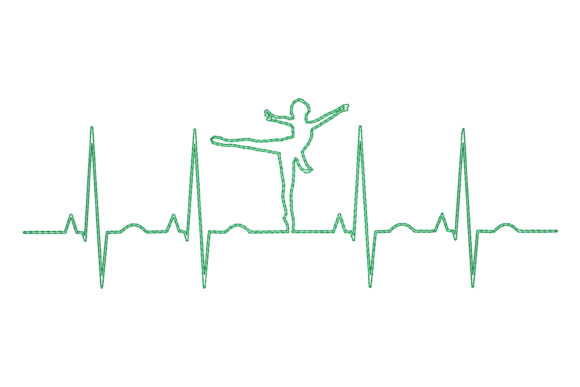
The first thing I noticed about Dancing Line is its elegant simplicity. The design uses a single, unbroken line to form a dancer in motion. It feels modern, minimal, and slightly artistic — not too cute, not too rustic. This is the kind of design that appeals to customers who appreciate clean lines and contemporary style. It works equally well as a bold focal point on a tote bag or as a subtle accent on a pillow cover. The open nature of the line art means it reads clearly at a glance, which is critical for grabbing attention across a crowded craft fair aisle.
Because the design is built around a continuous line, it avoids the heavy fill areas that can make some embroidery designs feel stiff. Instead, Dancing Line has a flowing, lightweight feel that translates beautifully to a range of products. I tested it on a medium-weight cotton tote bag, a linen tea towel, and a structured cap. On each surface, the design retained its graceful movement. The lack of dense fill also means it stitches out quickly — a major advantage when you are producing dozens of finished products for a weekend show.
Where Dancing Line Shines at the Craft Fair
During my booth prep, I always choose a few hero products to highlight. Dancing Line is versatile enough to be the star of several categories. Here is where I found it performed best:
- Tote bags: The design is large enough to be a statement piece. I recommend placing it centrally, about four inches tall, on a natural or light-colored canvas bag. The continuous line stands out beautifully against the fabric, and customers often stop to trace the path with their eyes. It makes the bag feel like a wearable art piece, not just a carryall.
- Tea towels and apron embroidery: On a flour sack towel or a crisp apron, Dancing Line adds a touch of elegance without overwhelming the utility of the item. It works well as a single motif near the hem of a towel or centered on an apron bib. Because the design is not overly dense, it does not distort the fabric texture — a common issue with heavy embroidery on lightweight towels.
- Embroidered patches: If you sell patches as part of your craft fair product line, this design is a natural fit. The open line art translates well to a patch format, especially when stitched on a sturdy twill or felt backing. I created a set of patches with Dancing Line in three different thread colors — black, white, and a soft metallic — and they sold out within the first hour of the market.
- Pillow covers: On a throw pillow, the design becomes a conversation starter. The flowing line invites touch, and the simplicity of the motif means it works with almost any decor style. I paired it with a solid linen cover and neutral thread for a modern farmhouse look. It also works well on a darker fabric if you use a bright or metallic thread for contrast.
- Small fabric pouches and market bags: For smaller items, I scaled Dancing Line down to about two inches. The design holds its clarity well at reduced sizes, as long as the stitch density remains appropriate. It makes a lovely accent on a zippered pouch or a reusable market bag.
Overall, Dancing Line has a mood that feels sophisticated yet approachable. It does not scream for attention — it earns it. Customers at my booth often paused, leaned in, and commented on how the line seemed to flow. That kind of engagement is exactly what you want at a craft fair, where every second of eye contact can turn into a sale.
Practical Production Considerations
Before you start stitching hundreds of units, there are a few practical details to address. I always recommend testing any new machine embroidery design on scrap fabric first, and Dancing Line is no exception. Here are the key points I evaluate:
- Stitch density and thread colors: The design uses a single continuous line, so it avoids the high stitch density that can cause puckering or fabric distortion. However, you should still check the stitch count for your specific hoop size. The description mentions multiple embroidery file formats, so you can choose the version that best fits your machine. I recommend using a 40-weight thread for a balanced line thickness. If you use a thicker thread like 30-weight, the line will appear bolder, which can be nice for larger items but may lose detail on smaller hoops.
- Hoop size and stabilizer: Since the design is a flowing line, you have flexibility in placement. I tested it in a 4x4 hoop for small items and a 5x7 hoop for larger pieces like tote bags. Always use a tear-away stabilizer for stable fabrics like cotton or linen. For stretchy fabrics like t-shirts, use a cut-away stabilizer to prevent the line from distorting. The design does not have dense fill areas, so you can use a medium-weight stabilizer without issue.
- Fabric texture and color: Dancing Line works best on smooth, medium-weight fabrics. Highly textured towels can cause the continuous line to look uneven, especially if the fabric has a loose weave. I recommend testing on a sample towel before committing to a batch. Dark fabrics require careful thread choice — a white or metallic thread will pop, while a dark thread may disappear. I had the best results with a light-colored thread on a dark background, as the contrast really makes the dancer's form stand out.
- Small lettering and tiny details: The design itself does not include small lettering, which is a relief. If you plan to add text, keep it at least 0.25 inches tall to avoid readability issues. The continuous line of Dancing Line is already minimal, so adding text should be done with care to maintain the overall balance.
- Commercial licensing: The description notes that the design can be used with multi, which likely refers to multi-needle machines or multi-format compatibility. Before you sell finished products, confirm that your license allows commercial use. Most high-quality design assets include commercial rights, but it is your responsibility to check. I always keep a copy of the license in my files for peace of mind.
These notes may seem detailed, but they save you from costly mistakes. I once rushed a batch of tea towels with a design that had hidden density issues — the towels puckered badly, and I had to discount them. With Dancing Line, the open structure means fewer surprises, but you still need to do your due diligence.
Selling and Display Tips for Craft Fairs
Once you have stitched a few samples, it is time to think about how to present Dancing Line at your booth. The design photographs exceptionally well because of its clean lines and negative space. I recommend creating at least one printable mockup for your Etsy listings or social media. A flat lay photo of a tote bag with the design centered, shot in natural light, will attract clicks. You can also use a mockup generator that lets you place the design on different products — this is especially useful for digital sellers who offer the embroidery file itself.
For your physical booth, consider these display strategies:
- Booth samples: Stitch Dancing Line on a few different products to show its versatility. I had a tote bag, a tea towel, and a patch displayed together. The repetition of the same design on different surfaces reinforces brand consistency and makes the design feel like a signature item.
- Color options: Offer the design in multiple thread colors. I offered black, white, gold, and a soft blush. Customers loved seeing the same dancer in different moods. This also helps you gauge which colors are most popular for future production.
- Value perception: Because the design is minimal and elegant, it elevates the perceived value of the product. A simple tote bag with a standard print might sell for $15, but the same bag with Dancing Line embroidery can command $25 or more — especially if you use high-quality thread and fabric.
- Batch production: The design stitches out quickly, so you can produce a consistent batch in a single day. I was able to stitch 40 small pouches in an afternoon, all with the same perfect placement. This repeatability is key for craft fair sellers who need to restock between shows.
One more tip: consider creating a digital product listing on Etsy where you sell the digital embroidery file itself. Many crafters are looking for unique dance-themed designs, and Dancing Line fits that niche perfectly. Include a few printable mockups in your listing so buyers can visualize the finished product.
Final Verdict for the Handmade Seller
After working with Dancing Line through several test runs and a full craft fair weekend, I can confidently recommend it for any embroidery business owner who wants an elegant, easy-to-produce design with broad customer appeal. It is not a loud, flashy design — it is a quiet, graceful one that invites closer inspection. That kind of subtle appeal often leads to higher engagement and more meaningful sales.
For the best results, remember to test on scrap fabric, check thread contrast against your chosen fabric color, review the spacing in your hoop size, inspect the stitch density, and use the right stabilizer for your material. Create at least one real mockup to see how the design looks in person, compare fabric colors to find the best contrast, and confirm commercial licensing before you sell anything. These steps might take extra time, but they ensure that your finished product reflects the quality your customers expect.
Whether you are preparing for a weekend market, expanding your Etsy shop, or building a line of handmade gifts, Dancing Line offers a professional, versatile option that will stand out in a sea of mass-produced goods. Add it to your collection, stitch it with care, and watch customers follow the line — right to your booth.