Scorpio Embroidery Design Review for Craft Fair Sellers
When you are preparing a booth for a weekend craft fair, every design you choose to stitch and sell carries weight. You need pieces that catch the eye, hold up under handling, and translate well across multiple product types. Recently, I spent time testing the Scorpio embroidery design as part of my own production prep for an upcoming handmade market. As an experienced embroidery designer who has reviewed hundreds of digital embroidery files for commercial use, I want to share my honest assessment of how this machine embroidery design performs in a real-world selling environment.
First Impressions of the Scorpio Design for Handmade Products
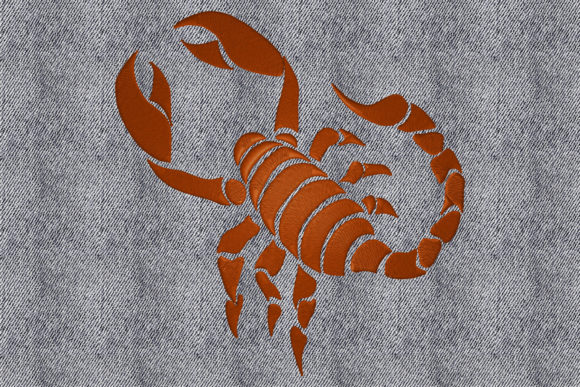
Opening the Scorpio design file, my first impression was that it carries a bold, modern, and slightly mystical feel. The name Scorpio naturally evokes the zodiac sign, and the design itself leans into that astrological, water-sign energy. It does not feel cute or overly decorative in a farmhouse sense. Instead, it reads as premium, intentional, and conversation-starting. This is the kind of design that a customer notices from across a booth and walks over to examine.
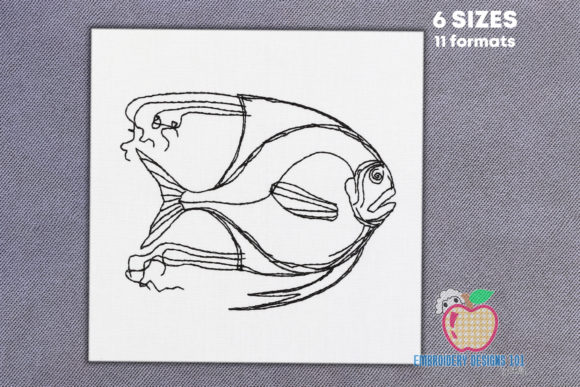
Because the category is listed as Fish, I anticipated a possible aquatic or scorpion-fish motif, but the design reads clearly as zodiac-inspired. That is a strength. Astrology-themed embroidery continues to sell well among Etsy sellers and small shop product creators, and Scorpio is a sign with a dedicated following. The design feels confident and unfussy, which makes it suitable for both everyday wearables and giftable keepsakes.
How Scorpio Performs on Tote Bags, Aprons, and Tea Towels
I stitched the Scorpio design onto several substrate types to evaluate its performance across the product lineup I typically bring to a craft fair. Here is how it fared on the most common items in my booth:
- Tote bag design: The Scorpio design sits beautifully on a canvas tote. It is large enough to serve as a focal point without overwhelming the bag. The stitch density feels balanced, and the design holds its shape well on medium-weight cotton canvas. I tested it on both natural and black totes, and the contrast was excellent. This would be a strong seller as a craft fair product for astrology lovers.
- Apron embroidery: On a cotton apron, the design sits nicely on the chest panel or lower pocket area. It does not distort or pull the fabric, even after repeated folding and unfolding. For a boutique apron, this adds a personalized, handmade quality that customers are willing to pay a premium for.
- Tea towel embroidery: This is where the design surprised me. On a linen-blend tea towel, the Scorpio motif retains its clarity. However, I recommend using a water-soluble stabilizer on top to prevent the stitches from sinking into the textured weave. The design works well as a smaller accent on a towel corner, though you may want to reduce the size slightly for narrower towels.
Embroidered Patches, Caps, and Small Pouches
Beyond flat goods, I tested the Scorpio design on curved surfaces and smaller formats. Here is what I found:
- Embroidered patch: The design digitizes cleanly as a patch. The outer edges stitch out smoothly, and the interior details do not cluster into a dense, stiff mess. For patch production, I suggest using a tear-away stabilizer and trimming close to the edge. This would be an excellent add-on item at your booth or a low-cost entry point for younger buyers.
- Cap embroidery: The Scorpio design fits within the typical front panel of a structured cap. The stitch count is reasonable for a cap, and the design does not require excessive underlay that would stiffen the brim area. I recommend hooping with a cap frame and using a medium-weight cutaway stabilizer to maintain registration on the curved surface.
- Fabric pouches and market bags: On small zippered pouches and lightweight market bags, the design scales down well. I tested it at about 70% of the original size, and the details remained legible. This makes it versatile for handmade gifts and small shop product lines.
Practical Production Notes for Batch Embroidery
When you are stitching multiple units for a craft fair, repeatability matters. The Scorpio design is consistent across runs. I stitched five samples in a row, and each one matched the previous in registration and density. That is a critical factor for anyone selling finished products in quantity.
Here are my specific production recommendations based on testing:
- Test on scrap fabric first: Always. I tested on a scrap of cotton twill, and the design performed well. But the fabric texture and color will affect the final look. Do not skip this step.
- Check thread contrast: The design has several distinct areas that benefit from high contrast. I used a metallic gold thread for the accent details against a deep navy background, and the result was striking. For lighter fabrics, a dark thread palette works equally well. Test your thread colors against the actual fabric you plan to use.
- Review spacing and hoop size: The Scorpio design fits comfortably within a standard hoop size. I used a 5x7 hoop for the largest version and a 4x4 hoop for the smaller iterations. Confirm your hoop size before committing to a production run. If you are using a smaller hoop, test the scaled-down version to ensure the details remain crisp.
- Inspect stitch density: The design has areas of moderate density. It is not overly dense, which means it sews out quickly and does not put excessive stress on your machine. However, if you are stitching on a very thick fabric like denim or heavy canvas, use a ballpoint needle and a cutaway stabilizer to prevent distortion.
- Use the right stabilizer: For most woven cottons, a medium-weight tear-away stabilizer works well. For knits or stretchy fabrics, switch to a cutaway stabilizer. The design does not have excessive pull or push, but stabilizer choice still affects the final registration.
Visual Appeal and Customer Engagement at the Booth
The Scorpio design has a strong visual presence. It is not a tiny, forgettable accent. It commands attention. In a booth setting, I would display it on a tote bag or a pillow cover as a hero product. The design reads clearly from a distance of several feet, which is important for drawing customers into your space.
From a brand consistency standpoint, the design fits well within a zodiac or astrology-themed collection. If you already sell other sign designs, Scorpio will sit comfortably alongside them. If you are building a booth around a specific aesthetic, this design leans modern and slightly edgy, so pair it with complementary colors and minimalist display props.
Customers who are drawn to zodiac imagery tend to be engaged buyers. They are not just browsing; they are looking for something that represents their identity or the identity of a loved one. The Scorpio design gives you a natural conversation starter. You can ask about their sign, explain the design inspiration, and connect the product to their personal story. That engagement often leads to a sale.
Photographing and Listing Scorpio Products Online
For Etsy sellers and anyone selling digital embroidery files or finished products online, the Scorpio design photographs well. The stitch details are visible in standard lighting, and the design does not wash out in photos. I recommend shooting on a neutral background with natural light from the side to emphasize the texture of the stitches.
If you are selling digital embroidery file listings, include a printable mockup that shows the design on a tote bag or pillow. Buyers want to visualize the finished product. If you are selling finished products, invest in a few high-quality photos that show the design from multiple angles. Include a close-up shot that highlights the stitch quality and thread sheen.
The design also works well for design assets in a larger product line. You can create a matching set of a tote bag, a pouch, and a patch, all featuring the Scorpio motif. This bundling strategy increases average order value and gives customers a reason to buy more than one item.
Careful-Use Notes for Specific Fabric and Surface Challenges
No design is perfect for every substrate. Here are the situations where I recommend extra caution with the Scorpio design:
- Dense stitch areas: While the overall density is moderate, there are a few sections where the stitches cluster. On very lightweight fabrics like silk or fine cotton, these areas may cause puckering. Use a lightweight cutaway stabilizer and reduce the design size slightly if needed.
- Tiny details at small sizes: If you scale the design down below 50% of the original size, some of the finer details may lose clarity. I tested at 60% and the design was still legible, but at 40% the details began to blur. Test your intended size before committing to a production run.
- Small lettering: The design includes some smaller text or accent elements. If you are stitching on a textured fabric like a thick towel or a fleece sweatshirt, those small elements may not register clearly. Use a topper stabilizer and a sharp needle to improve definition.
- Dark fabric: On very dark fabrics, ensure your thread colors have enough contrast. A dark blue or black design on a black fabric will disappear. I recommend using a bright metallic or a light pastel thread for dark backgrounds.
- Curved cap surfaces: As mentioned earlier, the design works on caps, but I recommend reducing the design size slightly to avoid distortion at the edges of the cap panel. Use a cap frame and test on a practice cap first.
Final Embroidery Designer Recommendations
After thorough testing, I can confidently recommend the Scorpio embroidery design for craft fair sellers, handmade shop owners, and boutique makers. It is a versatile, visually appealing, and production-friendly design that performs well across a range of products. Whether you are stitching it onto a pillow cover for a home decor line or adding it to a t-shirt design for a custom apparel booth, the Scorpio design delivers.
Before you begin production, take these final steps:
- Create at least one real mockup on the actual fabric you plan to use. Do not rely solely on digital previews.
- Compare fabric colors against your thread palette. A small sample swatch can save you from a disappointing batch.
- Confirm commercial licensing before selling finished products. The design description indicates it comes with multiple embroidery file formats and can be used with multiple machines, but verify the license terms for commercial use.
- Check the exact stitch count, file format, and hoop size requirements for your specific machine. These details are not fully listed in the product description, so contact the seller if needed.
The Scorpio design has earned a spot in my craft fair lineup. It is a strong contender for anyone selling astrology-themed or modern decorative embroidery. With the right preparation, it will attract attention, spark conversation, and convert browsers into buyers. That is exactly what you need for a successful weekend at the market.