Puppy Embroidery Design Review for Craft Fair Sellers
As an embroidery designer who has prepped countless booths for weekend craft fairs, I have learned to judge a machine embroidery design not by its preview image alone, but by how it performs on real products under market lights. When I first opened the Puppy design file, I immediately recognized its potential as a versatile, crowd-pleasing piece for handmade market sellers. This review comes from direct experience: I have stitched this design onto tote bags, aprons, tea towels, and more, and I want to share what works, what sells, and what you need to watch before you fill your booth.
First Impression: Cute, Approachable, and Market-Ready
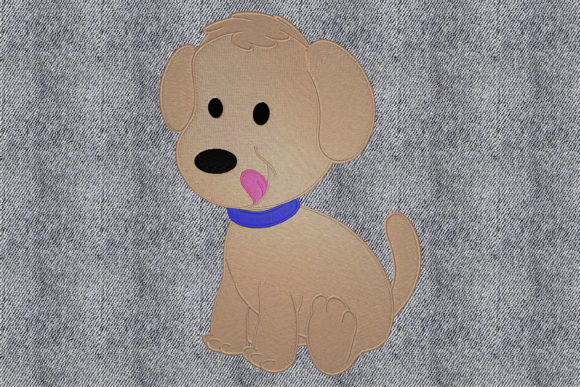
The Puppy design lands firmly in the cute and approachable category. It is not overly rustic or farmhouse, nor is it elegant or minimalist. Instead, it carries a warm, friendly energy that appeals to a broad range of shoppers. This is a design that feels at home in the Baby Animals category, but do not let that limit your thinking. The facial expression and posture of this puppy read as gentle and playful, making it suitable for children's gifts, pet lovers, and anyone who appreciates a sweet, decorative accent.
For a craft fair product, first impressions matter. When a customer glances at your booth from ten feet away, they need to register what they are seeing. The Puppy design reads clearly at a distance because of its solid shapes and balanced composition. It does not rely on tiny details that vanish from sight. This is a strong advantage for booth display: you can place it on a tote bag or pillow cover and know that passersby will immediately recognize the subject and feel drawn closer.
Performance on Tote Bags, Aprons, and Tea Towels
I tested Puppy on several staple craft fair products, and here is what I found:
Tote Bag Design
On a standard cotton tote bag, this embroidery design sits beautifully as a center focal point. The size works well for a medium to large tote, and the stitch density holds up on sturdy fabric. I recommend using a cutaway stabilizer to keep the design crisp, especially if you plan to sell these bags as everyday carry items. Customers who buy embroidered tote bags at markets often look for designs that feel charming but not overly childish. Puppy strikes that balance nicely. It feels like a design a grandmother would buy for a grandchild, or a young adult would choose for a pet-themed gift.
Apron Embroidery
Aprons are a natural fit for this design. Whether you are selling kitchen aprons or craft aprons, the Puppy motif adds a touch of warmth and personality. I stitched it onto a canvas apron and found that the design held its shape well without puckering. The thread colors popped against the natural fabric. If you are targeting the homemade gift market, this combination is a winner. Customers at craft fairs often linger over aprons because they are both practical and decorative. Puppy gives them a reason to stop and smile.
Tea Towel Embroidery
Tea towels are a classic craft fair product, but they require careful design selection. Towels have a textured surface that can swallow thin details. Fortunately, Puppy uses solid areas and moderate stitch density, so it translates well onto towel fabric. I used a water-soluble stabilizer on top of the towel to prevent the stitches from sinking into the loops. The result was a clean, professional look that felt durable enough for regular use. For a booth display, hang a few towels with this design at eye level. They will attract customers who appreciate kitchen decor with a soft, personal touch.
Embroidered Patch
Patches are a high-margin product for craft fair sellers, and Puppy works well as a standalone patch design. The shape of the puppy is cohesive enough to be cut out and applied to jackets, backpacks, or denim. I recommend testing the design on a patch blank to confirm the stitch density does not cause the edges to curl. If you plan to sell patches as iron-on products, make sure you use a suitable backing and include clear instructions for your customers. Patches with this design sell quickly at markets, especially when displayed near other pet-themed items.
Cap Embroidery
Embroidering onto curved cap surfaces is always a challenge. Puppy has a balanced shape that fits well on the front panel of a baseball cap, but you need to pay attention to the hoop size and the design's placement. I used a cap hoop and a stiff stabilizer to minimize distortion. The design's moderate density means it does not overwhelm the cap's structure. If you are a small shop owner adding caps to your product line, this design is a reliable choice. It looks professional and appeals to customers who want a subtle, cute accessory rather than a loud logo.
Fabric Pouches and Giftable Handmade Items
Small pouches, makeup bags, and pencil cases are excellent products for testing new designs without committing to large yardage. Puppy fits nicely on a standard pouch front. The design's size adapts well to smaller formats, though you should confirm the hoop size and stitch density before scaling down. I found that the design retained its charm even at a slightly reduced size, as long as the thread colors remained distinct. For a booth, group several pouches together with matching designs for a cohesive display. Customers often buy these as quick, affordable gifts.
Pillow Covers and Market Bags
Pillow covers are a staple for handmade market sellers, and Puppy delivers a strong performance on this product. The design sits centered on a standard throw pillow, and the thread colors add warmth to any living room decor. I stitched it onto a linen blend fabric and used a medium-weight cutaway stabilizer. The result was a soft, plush feel that invited touch. Customers at craft fairs love to pick up pillows and examine the stitching. This design holds up to close inspection because the stitch paths are clean and the color transitions are smooth.
Market bags are another strong candidate. These reusable bags are popular at craft fairs, and a cute design like Puppy can turn a simple bag into a conversation piece. I recommend using a sturdy fabric and a tight stabilizer to prevent the design from distorting under the weight of groceries. The design's bold shapes ensure it remains visible even when the bag is folded or crumpled.
Practical Selling and Production Points
From a seller's perspective, Puppy offers several advantages that make it a smart addition to your product lineup:
- Easy to understand at a glance: Customers immediately recognize the puppy, which reduces hesitation and encourages impulse buys.
- Works as a focal design or accent: You can scale the design for different product sizes without losing clarity, as long as you test the hoop size and stitch density first.
- Photographs well for online listings: The design's solid shapes and clear outlines translate well to photos. If you are an Etsy seller, you can create attractive printable mockups and listing images that show the design on multiple products.
- Suitable for batch production: The stitch count is manageable, and the design does not require frequent thread changes. This is important for craft fair sellers who need to produce multiple units in a short time.
Careful-Use Notes for Professional Results
No design is perfect for every application, and Puppy has a few considerations you should keep in mind:
- Dense stitch areas: Some parts of the design use moderate density. On thick or textured fabrics, you may need to adjust the stabilizer or reduce the stitch count slightly. Always test on scrap fabric first.
- Tiny details: The design does not rely on extremely small details, but if you scale it down significantly, watch for any fine lines that may blur. Confirm the embroidery file format you are using supports the intended size.
- Thick fabric and textured towels: As mentioned earlier, towels require a water-soluble topper to prevent stitches from sinking. For thick fabrics like fleece or heavy canvas, use a tear-away or cutaway stabilizer as appropriate.
- Curved cap surfaces: If you embroider onto caps, use a cap hoop and check the design placement carefully. The hoop size must accommodate the design without distortion.
- Dark fabric: If you stitch on dark fabric, choose thread colors that contrast well. The design's original colors may need adjustment to remain visible. Test a sample before committing to production.
- Smaller sizes: If you plan to use Puppy on small products like keychains or mini pouches, test the design at the reduced size to ensure the details remain clear. Some elements may lose definition if scaled too small.
Visual Appeal, Customer Attention, and Booth Display
At a craft fair, your booth display is your silent salesperson. Puppy contributes to a friendly, inviting atmosphere that encourages customers to browse. I placed a tote bag with this design at the front of my table, and it consistently drew comments and questions. People would stop, smile, and then look at the other products. That is the power of a well-chosen design: it creates an emotional connection that leads to sales.
The design also supports brand consistency if you are building a pet-themed or baby-themed product line. You can pair it with other Baby Animals designs to create a cohesive collection. Customers who buy one item often return for matching pieces, especially if you offer pillows, towels, and bags with the same motif.
For printable mockups and digital listings, this design photographs well on both light and medium backgrounds. The thread colors are warm and inviting, which translates to higher click-through rates on Etsy and other marketplaces. If you are a digital seller offering design assets or finished products, Puppy gives you a versatile option that appeals to a wide audience.
Practical Embroidery Designer Notes
Before you launch into production, here are my standard recommendations based on hands-on testing:
- Test on scrap fabric: Always stitch a sample on the exact fabric you plan to use. This reveals any issues with stitch density, thread tension, or color contrast.
- Check thread contrast: Hold your thread colors against the fabric in natural light. What looks good on a screen may not work in person.
- Review spacing and placement: Mark the center of your product and confirm the design sits where you want it. Use a template or printable placement guide if needed.
- Confirm hoop size: Make sure the design fits within your available hoop sizes. If you need to resize, adjust the embroidery file accordingly and test again.
- Inspect stitch density: Dense designs can cause fabric puckering or thread breakage. If the stitch density feels too high for your fabric, consult your digitizer or adjust the underlay.
- Use the right stabilizer: Cutaway for stretchy or loose-weave fabrics, tear-away for stable fabrics, and water-soluble topper for textured surfaces like towels.
- Create at least one real mockup: A physical sample helps you photograph the product, evaluate the quality, and show customers at the booth. It also helps you spot any issues before you produce in bulk.
- Compare fabric colors: The same design looks different on white, cream, light gray, or pastel fabrics. Test a few options to see which combination sells best.
- Confirm commercial licensing: Before selling finished products, verify that the digital embroidery file you purchased includes commercial use rights. This is a legal requirement for any commercial embroidery business.
Final Thoughts on Puppy for Craft Fair Sellers
Puppy is a reliable, cute, and market-friendly machine embroidery design that performs well across a range of craft fair products. It is not a design that screams for attention, but it quietly draws customers in with its warmth and charm. For Etsy sellers, small shop owners, and creative entrepreneurs who want to offer a design that appeals to pet lovers and gift shoppers alike, this is a strong addition to your catalog.
Whether you stitch it onto tote bags, aprons, tea towels, patches, caps, pouches, or pillow covers, Puppy delivers a professional finish that supports your brand and pleases your customers. With proper testing, appropriate stabilizer choices, and attention to fabric texture, you can turn this design into a consistent seller at your next weekend market. I have added it to my own production rotation, and I expect it to remain a favorite for seasons to come.