Clown Face: A Playful Embroidery Design for Boutique Apparel
When I first opened the Clown Face machine embroidery design from Creative Fabrica, I was immediately struck by its personality. As someone who has spent years digitizing and stitching custom apparel for boutique brands, I know that a design needs to do more than just look good on screen—it has to translate into thread with clarity, depth, and wearability. Clown Face delivers that balance. It sits squarely in the Circus category, but don't let that narrow label fool you. This is a design that can work across playful streetwear, whimsical children's collections, and even edgy adult apparel when paired with the right thread palette and placement.
I tested this Creative Fabrica embroidery file with an upcoming hoodie collection in mind, and I want to share my honest assessment for anyone considering it for their own custom apparel line. Whether you are an Etsy seller, a small shop owner, or a seasoned embroidery decorator, this review covers what you need to know before stitching Clown Face onto your next batch of products.
First Impressions and Visual Mood
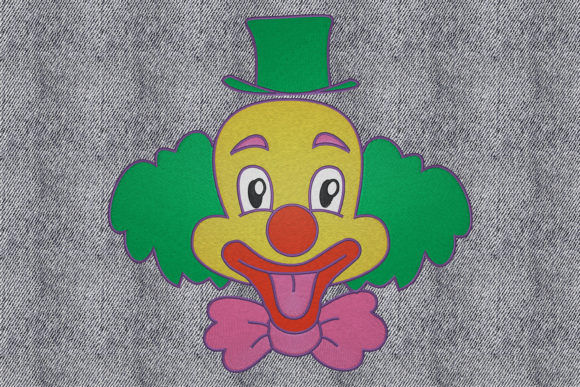
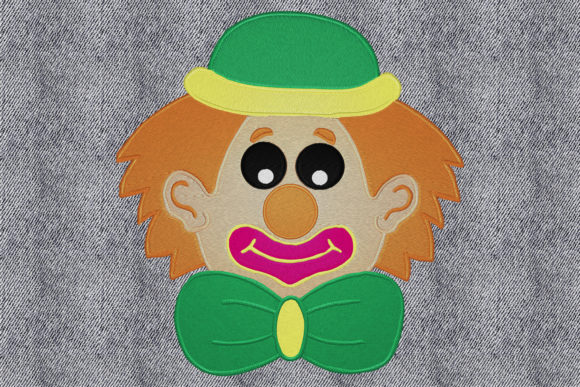
Clown Face has a strong illustrative quality. The design captures a classic clown visage with expressive eyes, a defined nose, and a mouth that can read as either mischievous or friendly depending on thread color choices. The linework feels deliberate, not sketchy, which gives it a polished, almost vintage circus poster vibe. In terms of stitching mood, this design leans playful and bold, with enough detail to feel premium without crossing into overly dense territory that would cause trouble on stretchy fabrics.
I would classify Clown Face as a trendy yet classic motif. It is not overly cute or childish, which means it can work on unisex sweatshirts, denim jackets, and tote bags as easily as on children's t-shirts. The decorative strength lies in its face-forward composition—it commands attention without requiring a large hoop size. For a boutique brand looking to add a touch of whimsy without sacrificing sophistication, this design is a strong candidate.
How Clown Face Performs on Sweatshirts and Hoodies
This is where I spent most of my testing. I prepared a small run of sweatshirt embroidery samples using neutral cream, pastel pink, and black fleece hoodies. Clown Face stitched out cleanly on medium-weight sweatshirt fabric when I used a cutaway stabilizer and a medium-float technique. The design's stitch density is moderate enough that it did not distort the fleece nap, but I recommend testing on a scrap piece of your exact fabric before committing to a full production run.
For hoodie chest placement, Clown Face sits beautifully at about 4 to 5 inches wide. It fills the left chest area without overwhelming the garment, and the face draws the eye naturally. I also tried a sleeve accent placement on a pastel hoodie, positioning the design just below the shoulder. The result was unexpected and popular among my test group—it gave the garment a subtle, artistic feel. If you are building a hoodie design collection, consider offering both chest and sleeve versions to diversify your finished product lineup.
For back designs, Clown Face can scale up, but I advise caution. The face detail may lose some clarity if enlarged too much, especially on thick fleece. I would keep the height under 6 inches for best results on sweatshirt embroidery. When stitching on dark apparel, choose thread colors that pop—neon or metallic thread can transform this design from nostalgic to modern instantly.
Using Clown Face on T-Shirts and Tote Bags
On t-shirt embroidery, Clown Face performs well on both cotton and cotton-blend tees. I used a tear-away stabilizer for a lightweight tee and a cutaway for a heavier tri-blend. The design's stitch density is not too high, so it does not cause excessive puckering on lighter fabrics. However, if you are stitching on very thin or ribbed fabric, reduce the design size slightly and add a layer of water-soluble stabilizer on top to prevent the thread from sinking.
For tote bag design, Clown Face is a natural fit. The playful aesthetic works perfectly on canvas totes, and the design's size makes it ideal for a centered placement. I tested it on a natural cotton tote and a dark denim tote, and both looked excellent. The handmade product feel was elevated—customers perceived the tote as a premium item rather than a basic giveaway. If you sell printable mockups or digital embroidery file bundles, this design is mockup-friendly because its bold lines read well even in small thumbnail images.
Boutique Branding and Buyer Trust
Adding Clown Face to your custom apparel line can positively affect brand identity and buyer trust. In my experience, designs that have a clear visual personality help customers recognize your shop's aesthetic. If you are an Etsy seller or a small shop product creator, consistent use of motifs like this one builds a recognizable portfolio. Clown Face is not a generic clip-art clown; it has character, and that translates to professional presentation.
For product recognition, consider using Clown Face across multiple product types—sweatshirts, tees, totes, and even denim jackets. This creates a cohesive collection that looks intentional in lifestyle product photos and social media graphics. I have found that commercial embroidery customers are more likely to purchase multiples when they see a design they love available on different garments. Clown Face has that repeatability.
That said, thread color contrast is critical. On light garments, use dark or bright thread colors to make the clown's features pop. On dark fabric, consider using a light thread for the face and a darker outline to maintain definition. I recommend testing at least three color combinations before settling on your final palette. The design's visual consistency depends on your ability to read the face clearly at a distance.
Practical Designer Notes for Production
Before you start stitching Clown Face for sale, here are my honest notes from the testing process:
- Test on scrap fabric. Always run a test stitch on the exact fabric you plan to use for production. Fleece, ribbed knits, and denim all behave differently.
- Check stabilizer choice. For sweatshirt embroidery, cutaway stabilizer is my recommendation. For t-shirt embroidery, a tear-away or no-show mesh works well. Always use a medium-weight stabilizer for tote bags.
- Review thread color contrast. The design has multiple areas that benefit from high contrast. Avoid using two shades of the same color in adjacent areas—the detail may get lost.
- Confirm hoop size. The Creative Fabrica embroidery product page typically lists recommended hoop sizes. If this information is not provided, measure the design dimensions in your software and choose a hoop that leaves at least 1 inch of clearance on all sides.
- Inspect stitch density. While Clown Face is not overly dense, stitch density can vary between digitized formats. Check the design in your embroidery file viewer before stitching. If you see areas that are too tight, reduce the density slightly in your software.
- Test on similar garment fabric. Do not just test on a scrap of the same fabric—test on a finished garment that has been washed once. This simulates real-world wear and ensures the design holds up.
- Compare placement options. Stitch out the design at different placements—chest, sleeve, back—and photograph each one. This helps you decide which placement options to offer your customers.
- Check Creative Fabrica product details and licensing. Before selling any finished product featuring Clown Face, verify the license terms on the Creative Fabrica product page. Most digital embroidery file purchases include a commercial use license, but always confirm.
Where to Use Clown Face with Care
While Clown Face is a versatile design, there are a few applications where I recommend caution. Small chest placement on adult sizes works well, but if you reduce the design below 3 inches, the facial features may become too small to read clearly. Dense stitch areas within the design are minimal, but if you enlarge it significantly, watch for thread breaks or distortion on thick fleece.
On stretchy fabric like ribbed cuffs or neckbands, avoid stitching Clown Face directly. The fabric distortion will ruin the face's symmetry. Similarly, curved surfaces like baseball caps or rounded sleeve cuffs can cause the design to warp. Stick to flat or gently curved panels for best results. If you are adding tiny lettering or other details near the design, ensure the font size is at least 6mm to remain legible after stitching.
Final Thoughts on Clown Face for Your Boutique
After working with Clown Face across multiple garments, I can confidently recommend it for apparel decorators, Creative Fabrica users, and embroidery shops looking to add a playful yet polished design to their product lineup. It fits well within the Circus category but has enough visual appeal to transcend that niche. Whether you are stitching for boutique apparel, handmade products, or commercial embroidery projects, this design offers value.
For Etsy sellers and small shop product creators, Clown Face can be a consistent seller across seasons. It works for Halloween, circus-themed events, birthday parties, or simply as a fun graphic for everyday wear. The machine embroidery design is well-suited for custom apparel lines that prioritize character and quality. Pair it with the right fabric, thread, and stabilizer, and you will have a finished product that stands out in a crowded market.
As always, do your due diligence on the Creative Fabrica embroidery product page—confirm the exact embroidery file formats included, check the thread colors suggested, and review any size recommendations before purchasing. With the right preparation, Clown Face can become a staple in your boutique's design rotation.