Happy Ant: A Designer's Review for Boutique Sweatshirt Embroidery
When I first opened the Happy Ant machine embroidery design file, I admit I smiled. There is something genuinely charming about a well-drawn ant that does not try to be realistic or intimidating. As someone who evaluates hundreds of digital embroidery files each season for boutique apparel production, I have learned to spot the difference between a design that merely stitches out and one that sells. Happy Ant belongs to the latter category. It feels playful without being childish, and it carries a handmade quality that aligns perfectly with the growing demand for unique, nature-inspired custom apparel.
Let me walk you through my real evaluation of this design as I prepared it for a limited sweatshirt drop. I work with a small boutique brand that specializes in cozy, oversized hoodies and neutral-toned sweatshirts, and our customers are Etsy sellers and creative entrepreneurs who want their merchandise to feel personal and premium. Happy Ant came across my desk as a candidate for a spring collection, and I want to share exactly how it performed from a designer's perspective.
First Impressions and Stitching Personality
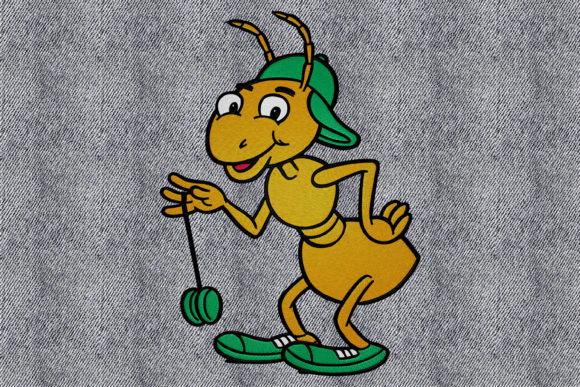
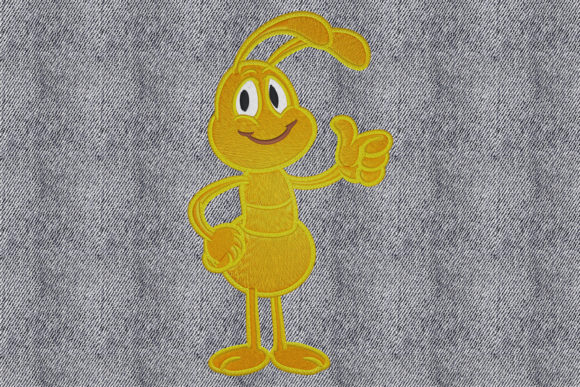
The first thing I noticed about Happy Ant is its mood. It is cheerful, light, and slightly whimsical. The ant is not crawling across the fabric with scientific precision; it has a stylized, almost cartoonish charm that makes it feel approachable. This is not a design that screams for attention. It whispers. That subtlety makes it ideal for sweatshirt embroidery where you want the garment to feel special without being loud.
In terms of layout, the design appears well-proportioned for chest placement on a standard adult hoodie. The detail level is moderate, which is a smart choice for machine embroidery on knit fabrics. There are enough stitch shapes to give the ant character, but not so many that the design becomes muddy at smaller sizes. The stitching personality feels deliberate and confident, with clean outlines and solid fill areas that should translate well into a finished product.
I did a quick mental test of how it would look on different fabric textures. On a cream-colored sweatshirt, Happy Ant would read as warm and earthy. On a dark charcoal or black hoodie, it would pop nicely if the thread colors are chosen carefully. Pastel backgrounds, especially soft pink or mint, would amplify the playful side of the design. For an oversized hoodie, the design could sit comfortably at the center chest or even as a small back yoke accent. The versatility is there.
Placement Options for Sweatshirt and Hoodie Production
One of the first questions I ask with any new embroidery file is where it can go. Happy Ant offers several strong placement options for boutique apparel. The most obvious is the classic chest position, centered about four inches below the collar seam on a standard sweatshirt. At this size, the design reads as a subtle statement piece, the kind of detail that makes a customer feel like they are wearing something curated rather than mass-produced.
For sleeve accents, Happy Ant could be scaled down slightly and placed on the upper arm or near the cuff. This is a popular trend among small shop products right now, and the ant's simple shape handles reduction well. I would recommend testing a smaller hoop size to confirm readability, but the initial look is promising. Back designs are also possible. A single large ant centered between the shoulder blades on a hoodie would create a strong visual anchor for a limited drop.
When I am preparing design assets for a boutique brand, I always think about how the embroidery will appear in product photography. Happy Ant has a clean silhouette that will photograph well on a mannequin or flat lay. It will also look good in printable mockup images for Etsy listings, which is important for Etsy sellers who rely on strong visuals to drive conversions. The design's simple shape means it will not get lost in photography, even on textured fabric.
Thread Color Contrast and Stitch Density Considerations
Now let us talk about the practical side. Happy Ant is a machine embroidery design, and like any digital embroidery file, it requires thoughtful thread color selection. The default color palette is not specified in the file description, so I would recommend that any commercial embroidery operation test a few combinations before committing to production. On a light sweatshirt, a dark brown or charcoal thread would give the ant definition and contrast. On dark fabric, a bright white or soft yellow could create a striking reverse effect.
Stitch density is a concern that every apparel decorator should address before stitching. If the design is too dense, it can cause the fabric to pucker or feel stiff, especially on lightweight sweatshirt materials. If it is too sparse, the ant may look unfinished. I recommend running a test stitch on a scrap piece of the actual fabric you plan to use. Pay attention to how the needle penetrates the knit and whether the stabilizer you choose can handle the coverage. For a medium-density design like this, a tear-away stabilizer may work well on stable fabrics, but a cut-away stabilizer is safer for sweatshirt embroidery that will be washed repeatedly.
Fabric texture also matters. A smooth, fine-knit sweatshirt will show the ant's details more clearly than a bulky fleece. If you are using a thick, textured hoodie, consider whether the design needs to be enlarged slightly to maintain readability. Small-size readability is a genuine concern. I suggest testing the design at 100% and at 80% to see which scale works best for your specific garment.
Durability and Washing Performance
For commercial embroidery, durability is non-negotiable. Happy Ant appears to have a solid stitch structure that should hold up well to regular wear and washing, provided the stabilizer and thread quality are appropriate. I always tell my clients that a design is only as strong as its weakest stitch. Look for any long jump stitches or narrow angles that could pull loose over time. If the file includes a satin stitch outline, make sure the density is balanced so the outline does not become brittle after multiple washes.
For a handmade product that customers will treasure, you want the embroidery to feel integrated into the garment, not like an afterthought. Happy Ant has the potential to deliver that integration if the production parameters are set correctly. I recommend using a polyester or rayon thread with good colorfastness, especially for dark fabrics where fading is more visible.
Impact on Brand Identity and Customer Engagement
From a brand perspective, Happy Ant reinforces a specific kind of identity. It is approachable, thoughtful, and slightly nostalgic. For a boutique brand that sells limited drops, this design can become a recognizable signature piece. I have seen similar styles perform well on Etsy and Instagram, where customers are drawn to products that feel personal and story-driven.
When you present Happy Ant in your product photography, you are not just selling a hoodie. You are selling the feeling of wearing something that was chosen with care. That emotional connection drives customer engagement and builds trust. Buyers who receive a garment with high-quality embroidery are more likely to leave positive reviews, share photos, and return for future purchases. The design becomes a small but meaningful part of your brand narrative.
For handmade business owners, this design also works well as a standalone piece or as part of a series. You could create a collection of bug-themed embroidery designs and offer them as a set. Happy Ant fits naturally into the Bugs category, and its cheerful tone distinguishes it from more realistic insect designs. That distinction matters in a crowded marketplace.
File Format and Production Readiness
The product description for Happy Ant states that it is a high-quality embroidery design available in multiple embroidery file formats and can be used with various machines. This is exactly what I look for when sourcing digital embroidery files for a small shop. You do not want to struggle with format conversions or compatibility issues. Before you begin production, confirm that the file includes the format your machine requires. If you are unsure, most reputable sellers will provide guidance or a conversion service.
Hoop size is another detail to verify. The description does not specify a recommended hoop size, so I strongly recommend checking the design dimensions in your embroidery software before hooping. A design that is too large for your hoop will cause registration problems. A design that is too small may not have the impact you want on a sweatshirt. Measure twice, stitch once.
I also recommend reviewing the file for any unnecessary trims or color changes that could slow down production. Efficient stitch paths save time and reduce thread waste, which matters when you are producing multiple units for a limited drop. If the file includes color stops, decide whether you want to use all of them or simplify the palette for a cleaner look.
Final Verdict for Boutique Apparel
After spending time with Happy Ant, I can say with confidence that it is a strong candidate for a boutique sweatshirt project. It offers a balance of charm and practicality that is hard to find in many digital embroidery files. The design is not overly complex, which makes it forgiving for production, but it has enough personality to stand out in a market full of generic logos and text-based designs.
For Etsy sellers, apparel decorators, and creative entrepreneurs, this design represents an opportunity to add a distinctive touch to your custom apparel line. It works on neutral sweatshirts, dark fabrics, pastel colors, oversized hoodies, and cozy seasonal apparel. The mood is playful but not juvenile, and the finished product looks premium without feeling stiff or overworked.
As always, I recommend testing the design on your actual garment fabric before committing to a full run. Verify stitch density, thread contrast, and hoop placement. Once you have dialed in those details, Happy Ant can become a reliable and appealing addition to your embroidery lineup. It is the kind of design that makes customers smile, and in the world of boutique apparel, that smile is worth everything.