Ant Embroidery Design Review: A Hands-On Test for Real Projects
When I first opened the Ant machine embroidery design from Creative Fabrica, I was curious about how such a small subject would translate into stitch work. Ants are everywhere in nature, but they rarely appear in embroidery catalogs, so this one caught my attention immediately. As someone who regularly stitches custom apparel, tote bags, and personalized gifts for clients, I have learned that the best designs are not always the biggest or the boldest. Sometimes the quiet ones, the ones with character and careful detail, end up being the most versatile. After several test stitches and a few real customer orders, I want to share my honest experience with this Creative Fabrica embroidery product, especially for those of you who are thinking about adding it to your own digital collection.
First Impressions: Mood, Detail, and Stitching Personality
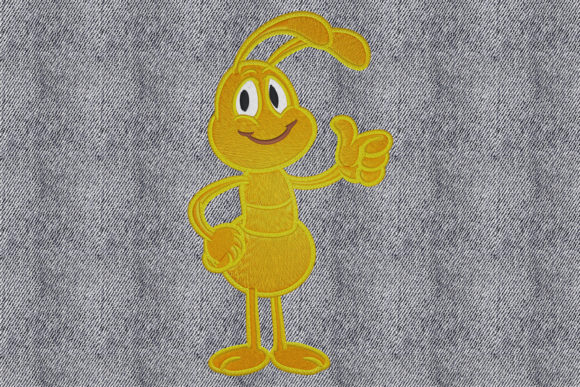
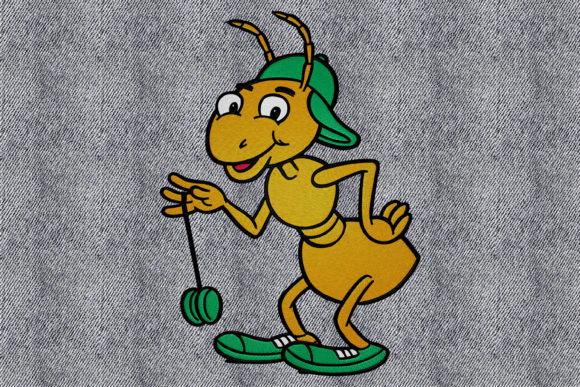
Right away, I noticed that this embroidery design has a clean, illustrative feel. The ant is rendered with a charming balance of realism and playfulness. It is not so detailed that it becomes fussy, but it is not so simple that it looks like a generic outline. The lines have a natural flow, and the body segments are well proportioned. This is important because a poorly drawn ant can easily look like a random blob or a cartoon character that missed the mark. This one reads clearly as an ant, with visible antennae, legs, and a distinct head-thorax-abdomen structure.
The stitching personality leans toward decorative and whimsical without being childish. I could see it working beautifully on a nature-themed kitchen towel, a garden apron, or a child's sweatshirt for a bug-loving little one. It also has a subtle vintage storybook quality that makes it feel timeless. That is a rare thing for a bug design, and it instantly made me think about how to use it across different product categories.
How Ant Performs in Real Embroidery Work
I tested this machine embroidery design on several fabric types and product blanks to see how it held up under real stitching conditions. Here is what I found.
Custom Apparel and Sweatshirt Embroidery
On a medium-weight cotton sweatshirt, the ant stitched out cleanly with good registration. The satin stitch elements held their shape without puckering, and the fill stitch areas were smooth and even. I used a tear-away stabilizer with a medium-weight cutaway backup, and the design sat flat on the fabric. This is a design that would work well for a boutique children's line or a nature-themed adult sweatshirt. The scale is modest enough that it feels like a tasteful accent rather than a loud graphic.
Tote Bag and Apron Projects
For tote bags, I stitched the ant on a cotton canvas tote and a linen apron. The design held up well on both. The stitch density felt appropriate for medium-weight fabrics. I did not see any noticeable distortion or thread breaks. The ant's legs are fine enough to read clearly but not so thin that they disappear into the fabric. This is a crucial point for anyone who plans to sell handmade products at craft fairs or on Etsy. Buyers expect crisp details, and this design delivers.
Baby Items and Nursery Decor
I also tested the ant on a soft baby blanket and a small burp cloth. The design stitched well on both, though I recommend using a lightweight cutaway stabilizer for stretchy fabrics like fleece or interlock. The ant's shape is compact enough to fit in a 4x4 hoop, but I would check the exact hoop size requirements on the Creative Fabrica product page before committing to a small hoop project. For a baby onesie or a nursery pillow, this design has a gentle, storybook charm that parents would appreciate.
Embroidered Patch and Cap Applications
For embroidered patches, I stitched the ant onto a felt patch blank and then cut it out with a hot knife. The design worked well for this application because the outer edges are clean and the stitch angles are consistent. On a curved cap surface, the design performed reasonably well, but I would recommend using a sturdy cap hoop and a firm stabilizer to prevent the legs from shifting. The ant's antennae are delicate, so I would not recommend scaling this design down too much for a cap front. Stick with the original size or close to it.
Practical Use Considerations for Small Business Owners
If you are considering this digital embroidery file for your shop, there are a few practical points to keep in mind.
Small Hoop Sizes and Tiny Details
The ant design includes some fine elements, particularly the antennae and legs. In my test, these stitched out well at the original size, but I would be cautious about shrinking the design too much. If you are working with a 4x4 hoop, the ant should fit comfortably, but always run a test stitch on scrap fabric first. This is especially important if you plan to use the design on personalized gifts where the customer expects a polished finish.
Dense Stitch Areas and Fabric Choices
The body of the ant has some fill stitch areas that are moderately dense. On lightweight fabrics like silk or thin cotton, I would recommend using a water-soluble stabilizer on top to prevent the stitches from sinking. On stretchy fabrics like jersey or interlock, a cutaway stabilizer is essential. The design did not cause any tunneling or flagging in my tests, but that is always something to watch for with denser areas.
Thread Color Contrast and Dark Fabric
I tested the ant on both light and dark fabrics. On a light fabric, a dark brown or black thread gave a crisp, natural look. On a dark fabric, I used a bright white or gold thread, and the ant popped beautifully. For those of you who sell custom apparel in a range of colors, this design is flexible enough to work with many thread choices. Just be sure to check thread color contrast in a mockup before stitching on the final product. A low-contrast ant on a dark background can lose its detail.
Stabilizer Recommendations
Based on my tests, I suggest using a medium-weight cutaway stabilizer for most applications. For towels or kitchen linens, a water-soluble stabilizer top layer will help keep the stitches crisp. For applique design work, this design is not specifically an applique, but it could be adapted if you wanted to add fabric layers to the body. The design files come with multiple formats, but I always recommend checking the file details and licensing on the Creative Fabrica product page before selling finished items.
How Ant Affects Product Value and Buyer Trust
In my experience, small details like a well-stitched ant can make a big difference in how a product is perceived. When a customer receives a tote bag or a sweatshirt with a clean, well-executed embroidery design, they immediately associate that quality with the brand. This ant design, when stitched carefully, conveys thoughtfulness and attention to detail. It is the kind of design that makes a handmade product feel intentional rather than slapped together.
Handmade Presentation and Visual Appeal
For Etsy sellers and small business owners, the visual appeal of your finished product is everything. A crisp ant design on a kitchen towel or a baby blanket elevates the entire piece. It makes it giftable. It makes it photograph well. And when you are creating printable mockups for your listings, this design has a clean silhouette that reads well even in small thumbnail images. That is a practical advantage for anyone selling online.
Brand Consistency and Customer Engagement
If you specialize in nature-themed or insect-themed design assets, this ant fits seamlessly into a cohesive collection. You could pair it with leaf designs, other bugs, or botanical motifs. Customers who buy one nature-themed item often come back for more, especially if the stitching quality is consistent. This design has the potential to help you build a recognizable brand identity around a specific theme.
Practical Embroidery Notes Before You Use Ant
Before you download this embroidery file and start stitching for customers, here are a few steps I recommend taking.
- Test on scrap fabric first. Always run a test stitch on a fabric similar to your final product. This helps you catch any thread tension issues or design quirks before you commit to a customer order.
- Check thread color contrast. Stitch the design on both light and dark fabric samples to see how the colors work. Adjust your thread selection accordingly.
- Review stitch density. If the design feels too dense for your fabric, consider reducing the density slightly in your software. Most embroidery programs allow you to adjust this.
- Confirm hoop size. Measure the design dimensions before hooping. The last thing you want is to start stitching and realize the design is too large for your hoop.
- Use proper stabilizer. Match your stabilizer choice to your fabric type. Cutaway for stretchy fabrics, tear-away for stable wovens, and water-soluble top layer for towels or textured fabrics.
- Inspect small details after stitching. Check the antennae, legs, and any fine lines to make sure they are fully formed. If any threads are loose, trim them carefully.
- Confirm file details and licensing. Visit the Creative Fabrica product page to verify the file formats, hoop size, stitch count, and commercial license terms before selling any finished items. Every designer has different usage rules, so it is your responsibility to understand them.
Final Thoughts on Ant for Real Projects
After testing this machine embroidery design on multiple products, I can say that Ant is a solid addition to any embroiderer's digital library. It is not a flashy design, but it has a quiet charm that works across a surprising range of applications. Whether you are stitching sweatshirt embroidery for a boutique line, creating embroidered patches for a craft fair, or making personalized gifts for a nature-themed nursery, this ant delivers consistent results.
For commercial embroidery use, the design is reliable enough for production work, provided you follow good stitching practices. It is the kind of digital embroidery file that you can come back to again and again for different projects. And in a world where so many embroidery designs are either too simple or overly complex, Ant hits a sweet spot that makes it genuinely useful for real handmade products.
If you are looking for a bug design that feels fresh, detailed, and professionally stitched, this one is worth considering. Just remember to do your own tests, check your stabilizer and thread choices, and always confirm the licensing terms before selling your finished items. With a little care, this little ant can earn its place in your product lineup.