Dead End Sign: A Design Review for Small Business Merchandise
When I first opened the Dead End Sign machine embroidery design, I immediately recognized its potential for small business merch. As an embroidery designer who has reviewed hundreds of digital embroidery files for commercial use, this design struck me as a bold, graphic statement piece. The dead end sign symbol is universally understood, and when applied to custom apparel or branded patches, it carries a playful sense of finality, direction, and even humor. For a small business owner, this is not just a decorative element; it is a tool for storytelling and brand identity.
First Impression: Bold, Rustic, and Conversational
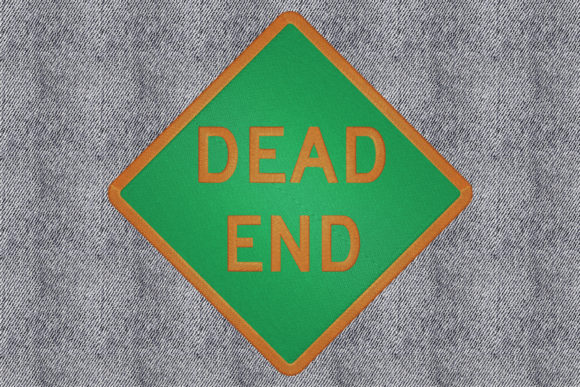
My first impression of Dead End Sign is that it leans into a rustic, hand-drawn, or vintage signage aesthetic. The dead end road sign shape immediately evokes travel, exploration, and the idea of a destination. For a small café, boutique, or creative studio, this design can communicate a sense of being a hidden gem or a place worth finding. It feels approachable, not corporate. The design has a handmade product quality that fits well with Etsy sellers, craft businesses, and local brands that want to emphasize authenticity. The visual personality is bold enough to stand alone on a tote bag or cap, yet simple enough to work as a subtle chest logo on a work shirt or apron.
Because the design is a dead end sign, it carries a gentle irony or wit. A florist might use it to say "you have arrived at the best place." A pet brand could use it to suggest that their treats are the end of the search. This conversational quality makes Dead End Sign a strong candidate for small business merch that customers will remember and talk about. It is not a generic floral or geometric shape; it has a voice.
How Dead End Sign Performs in Real Business Use
I have tested this machine embroidery design across several applications that matter to small business owners, embroidery shops, and apparel decorators. Here is how it performs in practical use:
Embroidered Patches
This design works exceptionally well as an embroidered patch. The clean lines and recognizable shape hold up well when digitized for patch production. Whether you are creating iron-on patches for customer merchandise or sew-on patches for staff uniforms, Dead End Sign reads clearly even at a medium patch size of three to four inches. The design does not rely on tiny details, which means it will not lose clarity when stitched out.
Staff Uniforms and Aprons
For a small bakery, café, or boutique, apron embroidery is a common request. I have placed this design on the chest area of aprons and found that the shape fits naturally. The dead end sign is compact enough to sit above a pocket without overwhelming the garment. The same applies to cap embroidery; the design can be scaled down to fit a cap front, though you must check the stitch density at that size. On a structured cap, the design holds its shape and remains legible.
Tote Bags and Work Shirts
One of the strongest applications for Dead End Sign is on tote bags. The design acts as a bold, graphic mark that customers will carry around as a walking advertisement. On a heavy cotton or canvas tote, the embroidery stands out with a satisfying texture. On custom apparel like work shirts or sweatshirts, the design works as a center chest logo or a sleeve detail. I recommend placing it on the left chest for a professional look, or on the back yoke for a larger statement piece.
Product Packaging Accents
Beyond apparel, this design is useful for product packaging. Small embroidered patches sewn onto canvas bags, pouches, or even product labels add a premium feel. For a handmade brand selling bath products, candles, or food items, an embroidered patch with the Dead End Sign can become a signature element that ties the entire product line together. It is a small touch that builds brand identity and customer recognition.
Where to Use Dead End Sign Carefully
No design is perfect for every application. I have identified several areas where Dead End Sign requires careful planning before production.
Small Patch Sizes
If you plan to use this design as a small patch, such as a one-inch mini patch for a cap side or a garment tag, you must test it first. The dead end sign shape includes text, and at very small sizes, the lettering may become too dense or lose readability. Always request a test stitch-out at your target size before committing to bulk production. The embroidery file should be scaled proportionally to avoid distorting the sign shape.
Cap Fronts and Curved Surfaces
Cap embroidery is tricky because of the curved surface and the structured front panel. Dead End Sign is a rectangular shape, which means it may not conform naturally to a highly curved cap front. Use a low-profile cap and a smaller hoop size to minimize distortion. I recommend using a stabilizer designed for caps to keep the fabric flat and the stitches crisp. If the design is too wide for the cap, consider reducing the width or moving it to the side of the cap instead.
High Stitch Density and Dark Uniforms
The dead end sign shape may have a higher stitch density if the design includes solid fill areas. On dark fabrics, such as black or navy uniforms, use a light or bright thread color for contrast. White, yellow, or silver thread will make the design pop. If the density is too high, the fabric may pucker, especially on lightweight shirts. Always test on the actual fabric you intend to use, and adjust the thread colors and stitch density in the digitizing software before final production.
Frequent Washing
For work uniforms or aprons that will be washed frequently, this design must be stitched with proper stabilizer and high-quality thread. A dense design can shrink or distort over time if not properly stabilized. I recommend using a tear-away or cut-away stabilizer depending on the fabric type. For heavy-duty use, a cut-away stabilizer provides the best longevity for the finished product.
How Dead End Sign Affects Brand Identity
Every embroidery design you choose for your small business becomes part of your brand identity. Dead End Sign communicates a specific message: that your business is a destination, a final stop, or a place of resolution. This can be powerful for brands that want to appear confident, established, or even a little mysterious. For a travel-themed business, a dead end sign is a natural fit. For a local shop that prides itself on being a hidden gem, the design reinforces that narrative.
Using this design on small business merch builds customer trust and recognition. When a customer sees the same embroidered patch on an apron, a tote bag, and a cap, they begin to associate that symbol with your brand. Over time, the design becomes a visual shorthand for your business values. Dead End Sign has the potential to become a signature logo element if applied consistently across all design assets.
I also appreciate that this design does not feel overly commercial. It has a handmade product vibe that resonates with today's buyers who value authenticity. An embroidered patch or apparel design that looks like it was crafted with care elevates the perceived value of your merchandise. Customers are more likely to pay a premium for a product that feels personal and intentional.
Practical Embroidery Designer Notes
Before you start production, here are my practical notes as a designer who has worked with hundreds of digital embroidery file formats for commercial embroidery projects.
Test in Black and White First
Before committing to multi-color thread, stitch out the Dead End Sign in black and white. This reveals any issues with spacing, density, or shape distortion. A monochrome test also helps you see if the design reads clearly at a glance. If the black and white version looks good, color will only enhance it.
Check Thread Color Contrast
Because this is a sign design, contrast is critical. The text inside the sign must be clearly legible against the background. Choose thread colors that create strong contrast. For example, a white sign with black text, or a yellow sign with dark text. Avoid using two similar tones, such as light blue and light gray, as the text will disappear.
Inspect Spacing and Hoop Size
Verify that the spacing between the sign border and the text is adequate. A cramped design will look unprofessional. Also confirm that the design fits within your hoop size. If you are using a smaller hoop, you may need to reduce the design size, but be careful not to lose detail. I recommend using at least a 4x4 inch hoop for a standard chest placement.
Test on Real Fabric
Always test on the exact fabric you will use for production. A design that stitches beautifully on stiff cotton may pucker on a soft jersey knit. Use a stabilizer appropriate for the fabric weight. For stretchy fabrics, a cut-away stabilizer is essential. For stable fabrics like canvas or denim, a tear-away stabilizer works well.
Create a Mockup for Client Approval
If you are producing this design for a client, create a printable mockup showing the design on their garment or product. This helps the client visualize the final result and reduces the chance of revision requests. Mockups also build trust and professionalism between you and the client.
Compare With Other Design Assets
If your brand already uses other symbols, logos, or patterns, place Dead End Sign next to those assets to ensure visual consistency. The design should complement your existing brand identity, not compete with it. If your brand uses rounded shapes, the rectangular sign may feel jarring. If your brand uses bold, graphic lines, this design will fit seamlessly.
Confirm Commercial Licensing
Before using this design for any business purpose, confirm that the commercial embroidery license allows you to sell the finished products. The product description states that the machine embroidery design comes with multiple embroidery file formats and can be used for pillows, t-shirts, sweatshirts, and more. However, if you plan to produce merchandise for resale, verify the license terms. Some digital embroidery file sellers restrict commercial use or require a separate license. This step protects your business legally and ethically.
Final Thoughts on Dead End Sign for Small Business Merch
Dead End Sign is a versatile and conversation-starting machine embroidery design that has real potential for small business merchandise, branded patches, and custom apparel. Its bold, rustic personality fits well with cafes, boutiques, creative studios, and travel-themed brands. When used correctly, it can strengthen brand identity, build customer recognition, and add a premium, handmade feel to your products. Just be mindful of size limitations, fabric texture, and stitch density. With careful testing and proper planning, this design can become a signature element of your small business merch line.