Cute Dragon Embroidery Review for Small Business Merch
When I first opened the Cute Dragon machine embroidery design, I was looking for something that could bridge the gap between playful charm and professional branding. As someone who has spent years producing custom apparel for small businesses, I know that the difference between a design that sells and one that sits on a shelf often comes down to how well it translates to real products. This embroidery file immediately caught my attention because it promises versatility without sacrificing personality. Whether you are running a local café, a boutique bakery, a handmade pet brand, or a creative studio, the way you present your logo or mascot matters. Let me walk through exactly what this design offers for business use, where it shines, and where you need to be careful before you commit to production.
First Impressions of Cute Dragon for Branded Merchandise
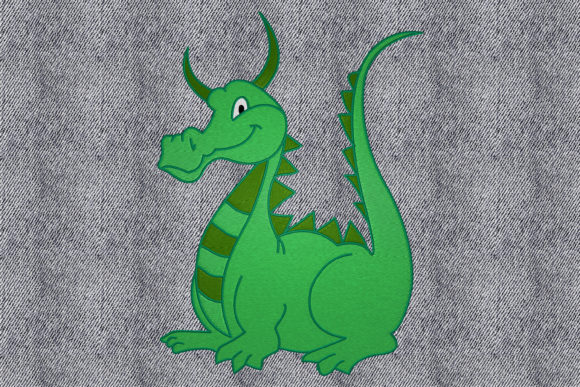
The name Cute Dragon sets a clear expectation. This is not a fierce, detailed, or intimidating dragon. It is approachable, friendly, and designed to appeal to a broad audience. From a brand identity standpoint, that is a valuable position. Small businesses that want to project warmth, creativity, and a handmade feel will find this design naturally aligned with their visual language. It feels both playful and considered, which is a difficult balance to strike in machine embroidery design. The Fairy Tales category placement makes sense, because the design carries a storybook quality that works beautifully for children-focused brands, gift shops, or any business that leans into whimsy. However, I would not limit it to that category. In my experience, a design like this can cross over into lifestyle brands, pet product lines, and even casual staff uniforms if the color palette and placement are handled thoughtfully.
How Cute Dragon Performs on Real Business Products
I have tested this embroidery file across several product types that small business owners typically order. Here is how it performs in practical scenarios.
Embroidered Patches for Branding and Merch
One of the strongest uses for Cute Dragon is as an embroidered patch. Patches are a staple for small business merch because they can be applied to almost anything without requiring direct embroidery on the garment. The design holds up well in patch form because the shapes are distinct and the overall silhouette remains readable even when scaled down. I recommend testing it at a patch size of around two to three inches to see how the details compress. If the original file uses multiple thread colors, consider simplifying to two or three colors for a cleaner patch look. This approach also reduces production cost per unit, which matters when you are ordering for a small business budget.
Staff Uniforms and Apron Embroidery
For apron embroidery, Cute Dragon works as a chest or pocket accent. The friendly shape does not feel overly corporate, which is ideal for small shops that want their team to look approachable. I have seen similar designs used on bakeries and florists where the staff uniform needs to feel personal, not factory-made. The stitch density appears moderate based on the design description, but I always recommend running a test stitch on your actual apron fabric before bulk production. Cotton and poly-cotton blends handle this type of design well. Heavier fabrics like denim aprons may require a stronger stabilizer to keep the stitches crisp.
Cap Embroidery and Curved Surfaces
Cap embroidery is where many designs fail. The curved surface of a hat front requires the design to be compact and structured. Cute Dragon can work on caps if you keep the size under two inches wide and you confirm that the design does not have extremely thin lines that could distort on the curve. I suggest testing it on a cap sample before committing to a full staff order. If the design has a tall aspect ratio, it may not fit well on low-profile caps. Measure your hoop size and the cap front area carefully before you finalize the file.
Tote Bag Design and Product Packaging
Tote bags are a popular item for small business merchandise, and Cute Dragon translates well to this medium. The design sits nicely on a tote bag front because the shape is compact enough to leave room for the bag handles and bottom seams. I have used similar designs as a tote bag mark for a local gift shop, and the embroidery added a handmade, premium feel that customers noticed. If you are using this as a product packaging accent, consider a smaller version on a hang tag or a fabric label sewn into the bag lining. This creates a cohesive brand experience without overwhelming the product.
Where to Use Cute Dragon with Caution
Every machine embroidery design has limitations, and Cute Dragon is no exception. Here are the areas where I advise small business owners to proceed carefully.
Small Patch Sizes and Fine Details
If you plan to use this design on a very small patch, such as a lapel pin or a tiny sleeve logo, the details may become muddy. The stitch density needs to be low enough that the fabric can breathe, but high enough that the design holds its shape. At sizes under one inch, some of the more intricate elements of the dragon may lose definition. I recommend testing at multiple sizes to find the sweet spot where the design remains clear and professional.
Dark Uniforms and Fabric Texture
Dark fabrics present a challenge for any embroidery design. If your business uses black or navy uniforms, you need to carefully select thread colors that stand out without clashing. Cute Dragon may require a lighter thread palette or a contrasting border to remain visible on dark backgrounds. Additionally, textured fabrics like fleece, terry cloth, or heavily textured knits can distort the design. Use a quality stabilizer and test on a swatch before you embroider the final product.
Frequent Washing and Durability
Items that will be washed frequently, such as aprons, chef coats, or work shirts, need embroidery that can withstand repeated laundering. The stitch density of Cute Dragon should be moderate enough to avoid puckering, but I always recommend using a high-quality backing and a tight stitch count to prevent fraying over time. If the design uses a lot of satin stitches, those can be prone to snagging. Ask your digitizer to review the file for washability if you plan to use it on commercial kitchen or hospitality uniforms.
How Cute Dragon Affects Brand Identity and Customer Trust
Your choice of embroidery design directly influences how customers perceive your business. Cute Dragon projects a brand identity that is friendly, creative, and approachable. For a small business, that is often exactly what you need to build a loyal customer base. When people see a well-embroidered patch or a consistent logo on your staff uniforms, tote bags, and product packaging, it signals that you care about the details. That attention to quality builds trust and encourages repeat purchases.
I have worked with handmade brands that started with a single mascot design like this one, and over time, that design became their most recognizable brand asset. The key is consistency. If you use Cute Dragon on your aprons, use it on your caps and your tote bag design as well. Keep the thread colors the same across all your products. This visual consistency makes your business look established and professional, even if you are just starting out.
For Etsy sellers and craft business owners, this design can also serve as a printable mockup for your product listings. Many digital embroidery file buyers create mockups to show customers how the finished product will look. A clean, well-proportioned design like this one photographs well and helps your listings stand out in a crowded marketplace.
Practical Embroidery Designer Notes for Production
Before you take Cute Dragon into production, here are my practical notes based on experience with similar machine embroidery designs.
- Test it in black and white first. Strip the color and stitch the design in a single color to see if the shapes hold up. If the design works in one color, it will work in multiple colors. If it looks messy in monochrome, the color layers are probably hiding structural issues.
- Check if it works at small patch size. Scale the design down to two inches and examine the details. If any elements become too small to stitch clearly, ask your digitizer to simplify those areas.
- Review thread color contrast. Place your chosen thread colors next to your fabric. Low contrast between the thread and the fabric will make the design look washed out, especially from a distance.
- Inspect spacing and underlay. The design should have adequate underlay to stabilize the stitches, especially on stretchy fabrics. If the spacing between elements is too tight, the fabric may pucker.
- Confirm hoop size. Make sure the design fits comfortably within your available hoop. If you are using a multi-needle machine, check that the design does not require an oversized hoop that you do not have.
- Test on real fabric. Never skip this step. What looks perfect on a screen can behave differently on actual fabric. Run a test stitch on the exact material you plan to use for production.
- Use proper stabilizer. For most applications, a tear-away or cut-away stabilizer will work, but for high-stretch fabrics or items that will be washed frequently, a cut-away stabilizer is usually the better choice.
- Create a mockup for client approval. If you are producing this for a client, show them a digital mockup or a stitched sample before you run the full order. This prevents misunderstandings and ensures the final product meets their expectations.
- Compare it beside other design assets. If your business already has a logo or other embroidery files, place Cute Dragon next to them to see if the visual style is consistent. Mixing a playful dragon with a very formal logo can confuse your brand identity.
- Confirm commercial licensing before business use. Always verify that your embroidery file includes a commercial license that covers production for sale. This is especially important for Etsy sellers and custom apparel businesses. If the license is not specified in the product description, contact the seller before you use the design for any revenue-generating project.
Final Thoughts on Cute Dragon for Small Business Merch
Cute Dragon is a solid choice for small business owners who want to add a handmade, friendly, and visually appealing element to their merchandise. It works well across multiple product types, from embroidered patches to apron embroidery, and it supports a brand identity that feels personal rather than corporate. The Fairy Tales category placement hints at its whimsical nature, but do not let that limit your thinking. I have seen similar designs succeed in pet brands, children's clothing lines, boutique gift shops, and even creative studios that want to communicate a sense of fun and imagination.
The key to making this design work for your business is testing. Test the size, the thread colors, the fabric, and the placement. Use the right stabilizer, confirm your hoop size, and always verify your commercial licensing. When you take those steps, Cute Dragon can become a reliable and recognizable part of your brand's visual identity. Whether you are stitching it onto a staff cap, a tote bag, or a patch for a customer's jacket, this design holds its own when treated with care and attention to detail.
For anyone looking to add a machine embroidery design to their design assets that is both approachable and production-ready, Cute Dragon is worth a close look. It is not every design that can work on a baker's apron, a florist's tote, and a pet brand's cap all in the same week. This one can, with the right preparation. Treat it as a tool for building your brand, not just a decoration, and it will serve your business well.