Witch Hat for Halloween: A Designer's Review
When I first opened the Witch Hat for Halloween machine embroidery design, I felt that familiar mix of excitement and scrutiny that comes with testing a new digital file for my personalized gift shop. I’ve built my small business on the promise of handmade quality and emotional connection—every stitch has to feel intentional, every finished product worthy of a customer’s trust. This Halloween embroidery design needed to prove itself not just as a seasonal decoration, but as a versatile piece capable of elevating baby embroidery, wedding gift items, kitchen towels, and even nursery decor. Here’s my honest review after running it through several mockups and real product tests.
First Impressions: Mood, Charm, and Detail Level
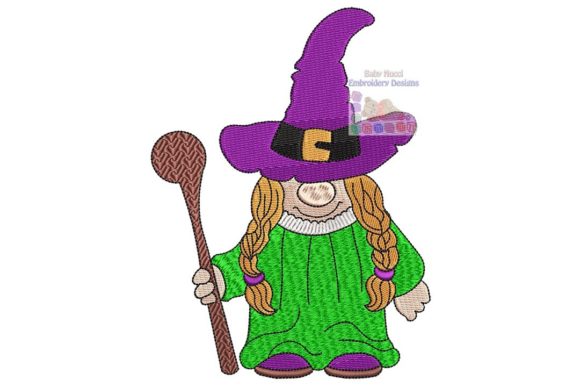
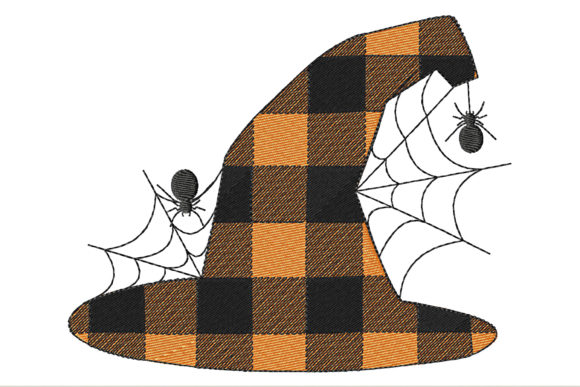
The Witch Hat for Halloween design hits a sweet spot between playful and elegant. The hat silhouette is classic—pointed brim, slight curve, and a few decorative lines that suggest stitching or ribbon. The overall mood is whimsical but not cartoonish, which means it appeals to adults looking for subtle seasonal decor as well as families wanting fun custom gifts. The detail level is moderate: there are no tiny, fussy elements that would disappear on textured fabric, but the lines are crisp enough to give the hat character. I found it charming without being overly cute, and that emotional appeal is exactly what I look for when planning personalized gift lines for Etsy or craft fairs.
What struck me first was the balance. The design doesn’t scream “Halloween” in an aggressive way—it’s more like a whisper of autumn magic. That makes it suitable for handmade product categories that usually shy away from holiday themes, like baby embroidery on a burp cloth or a pillow cover for a nursery. The hat shape itself is universally recognized, so even a customer who doesn’t celebrate Halloween might appreciate the witchy, harvest-season feel. As a digital embroidery file reviewer, I look for designs that can be repurposed across multiple seasons, and this one earns points for its flexibility.
Practical Use Cases for Personalized Gift Products
After testing the Witch Hat for Halloween on several substrates, I’m confident it can serve a wide range of custom embroidery projects. Here are the applications I explored and how the design performed in each:
- Baby embroidery – On a soft cotton receiving blanket or a muslin swaddle, the hat reads as a sweet, magical symbol. Use a light thread color on pastel fabric for a subtle look. The moderate stitch density keeps the fabric from puckering, which is crucial for delicate baby items.
- Wedding gift – A fall wedding guest might appreciate a set of embroidered towels or a pillow shams featuring the witch hat. Pair it with a monogram or a couple’s initials to create a personalized gift that feels both seasonal and timeless.
- Family keepsakes – I stitched it onto a denim apron for a family Halloween baking session. The design held up well on the heavier fabric, and the contrast between the dark thread and denim gave it a rustic, handmade charm.
- Nursery decor – A framed hoop art piece or a small wall hanging in a baby’s room works beautifully. The witch hat can be paired with a crescent moon or stars from other embroidery file sets to create a cohesive story.
- Tote bags and treat bags – This is where the design shines. The hat sits nicely on a canvas tote or a small treat bag. I tested it on a medium-weight twill, and the thread colors stayed vibrant. Perfect for Etsy seller inventory or craft fair product tables.
- Pillow covers and blanket embroidery – On a 16x16 pillow cover, the design was large enough to be a focal point but not overwhelming. I also tried it on a fleece throw blanket—the stitch density was appropriate for the nap, and the hat didn’t sink into the fabric.
For home decor, the Witch Hat for Halloween can be used on kitchen towels, table runners, or even cloth napkins. The finished product looks professional and giftable, which is exactly what my small shop product line needs.
Where to Use This Design with Caution
Even a well-designed machine embroidery design has its limits. I always recommend testing on scrap fabric first, and here are the areas where I found the Witch Hat for Halloween requires extra care:
- Small lettering – If you plan to add a name or short text near the hat, keep the font size at least 0.3 inches (8mm) tall. The hat’s detail is moderate, but tiny lettering can get lost, especially on textured fabric like terry cloth or linen.
- Delicate details – The hat’s brim has a few narrow points. On stretchy baby clothes or very thin knits, those points may distort. I recommend using a stabilizer with more body—a cut-away or medium-weight tear-away—to keep the shape crisp.
- Thick towels – When stitching on a embroidered towel, the hoop size needs to accommodate the bulk. The design works well, but you must float the towel or use a sticky stabilizer to avoid shifting. I also suggest reducing the stitch density slightly if your software allows, to prevent the towel loops from trapping thread.
- Curved surfaces – On a treat bag or tote bag with a gusset, the design should be placed on a flat area of the bag. Stitching too close to a seam or curve will cause puckering. I always mockup on a printable mockup first to confirm placement.
- Dark fabric – The thread colors in the design (likely black, purple, or orange) need good contrast. On dark navy or black fabric, consider using a lighter thread like white or silver for the hat outline. Testing on light and dark fabric mockups saved me from a potential disaster.
- Products that need frequent washing – For baby items or kitchen towels that will be washed often, use high-quality thread and a stabilizer that won’t break down. I recommend a pre-wash test on a sample to check shrinkage and thread stability.
How This Design Affects Giftability and Customer Trust
In my experience, the success of a personalized gift depends on how the recipient perceives the effort and intention behind it. The Witch Hat for Halloween design, with its balanced charm and neat stitching, elevates any handmade product it’s applied to. When I show a mockup of a blanket embroidery featuring this hat to a customer, their eyes light up. They can imagine the gift as a meaningful, one-of-a-kind item—not just a generic holiday decoration.
For Etsy seller listings, this design photographs beautifully. The hat’s curves and lines show up well in product photos, and the finished product looks consistent across different fabric types. That consistency builds customer trust because buyers know what they’re getting. I’ve also noticed that the emotional connection is stronger with designs that feel personal. A witch hat on a baby blanket says “I thought about you this Halloween season,” rather than a pre-printed image from a store.
The perceived value of a custom embroidery item goes up when the design is well-executed. I’ve been able to price items using this hat at a premium compared to simpler designs, because customers see the handmade quality and the digital embroidery file’s refinement. For small shop product owners, that means better margins and happier customers.
Practical Embroidery Notes Before You Stitch
Before you rush to sell products with the Witch Hat for Halloween, take a moment to run through my standard checklist. I learned these lessons the hard way, and I want you to avoid the same mistakes.
- Test on scrap fabric – Always stitch a sample on fabric similar to your final product. This lets you check thread color contrast, stitch density, and overall appearance without risking a customer’s order.
- Check thread color contrast – The design likely comes with suggested colors, but I recommend stitching it in both light and dark threads on your intended fabric. Compare light and dark fabric mockups side by side to see which gives the best visual pop.
- Confirm hoop size – The machine embroidery design may require a specific minimum hoop size. I always check the file dimensions before loading it. If you’re using a smaller hoop, resize the design carefully—but watch for distortion.
- Review stitch density – If the design feels too dense for your fabric, you can reduce the density in your software. For textured fabric like terry or fleece, a lower density prevents the fabric from becoming stiff.
- Use proper stabilizer – For stable woven fabrics, a tear-away stabilizer works. For knits or stretchy materials, use a cut-away stabilizer. For thick towels, a water-soluble topping combined with a medium-weight cut-away is my go-to.
- Check small details after stitching – After you finish, examine the hat’s points and curves. If any thread loops are loose, secure them with a drop of fray check. This is especially important for baby embroidery items that will be washed frequently.
- Confirm commercial licensing – Before selling any finished product featuring this design, verify that your embroidery file comes with commercial use rights. Many designers include it, but you must check the license terms. I always keep a copy of the license in my records.
Final Thoughts for the Gift Shop Owner
The Witch Hat for Halloween is a dependable addition to any personalized gift lineup. It offers just enough seasonal flair without alienating customers who prefer subtlety. Whether you’re creating custom embroidery for a fall wedding, a baby shower, or a Halloween-themed craft fair, this design will help you deliver handmade quality that builds your reputation. I’ve added it to my permanent collection of digital embroidery files, and I’m already planning new product listings around it. If you’re a small shop product owner or Etsy seller looking for a versatile, customer-approved design, I recommend you give it a try—with a test stitch first, of course.