Little Elf: A Designer’s Review for Boutique Sweatshirt Embroidery
When you’re building a limited-edition sweatshirt drop for a small boutique brand, every design choice matters. The embroidery needs to look premium, feel cohesive with your collection, and hold up through production and wear. I recently had the chance to evaluate Little Elf, a machine embroidery design positioned for Christmas projects, and I want to walk through exactly how I would approach using it for a real apparel run. This isn’t a generic product description—this is a hands-on designer perspective on how Little Elf performs on fabric, where it shines, and the practical decisions you’ll face before stitching it into your finished product.
First Impressions: Mood, Layout, and Stitching Personality
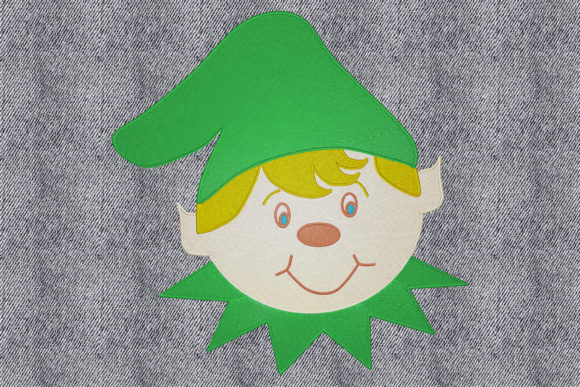
Opening the embroidery file for Little Elf, the first thing that struck me was the balance between playful detail and clean silhouette. The design captures a cute, whimsical elf character without feeling overly busy. For a boutique brand, that’s a sweet spot. It’s festive enough to read as Christmas, but the layout is compact and centered, making it versatile for sweatshirt embroidery or hoodie design placement.
The stitching personality is approachable and friendly. I see this working well on neutral cream, soft grey, and even dusty rose sweatshirts—colors that let the thread colors pop without competing. The detail level suggests moderate stitch density, which is important for maintaining fabric texture integrity. If you’re producing for an Etsy seller or a small shop product, this design feels like it could become a repeat bestseller because it’s recognizable without being overdone.
How Little Elf Works on Sweatshirts and Hoodies
I always test placement mentally before committing to a hoop size. For Little Elf, I see natural applications for:
- Chest placement – centered left or right, about 3–4 inches wide, for a subtle but recognizable logo feel.
- Back design – scaled up slightly for a larger focal point. On an oversized hoodie, this could become the statement element of the entire garment.
- Sleeve accents – a smaller version on the upper arm or cuff, especially if you’re offering a matching set for a cohesive boutique brand look.
Because the design is an elf, it naturally leans into a playful, rustic, and slightly decorative mood. It’s not overly feminine, but it’s not aggressively bold either. It sits comfortably in the custom apparel space where you want a design that feels handmade and personal without looking cheap or mass-produced. For lifestyle product photography, this design photographs well on a folded sweatshirt with natural lighting, and it’s an easy sell in printable mockup previews for Etsy listings.
Thread Color Contrast and Fabric Texture Decisions
One of the first practical decisions you’ll face with Little Elf is thread color selection. The design comes with multiple thread colors as part of the digital embroidery file, but you’ll want to adjust based on your fabric base. Here’s what I’d recommend:
- Dark fabric – Use bright, high-contrast thread colors like white, red, or gold. The elf will pop and maintain visibility.
- Pastel sweatshirts – Soft green, light blue, or blush pink bases work well with muted reds and warm browns. The design feels more delicate and feminine.
- Neutral tones – Cream, heather grey, or oatmeal. Here you can go either way: classic Christmas red and green for a traditional look, or monochrome tones for a minimalist modern feel.
Fabric texture also matters. On a thick fleece or French terry hoodie design, the stitches will sink slightly, which can soften the detail. On a tighter-knit sweatshirt, the clarity will be sharper. I’d test a sample on your actual garment fabric before committing to a full run. Little Elf has enough detail to remain readable on textured fabrics, but you’ll want to avoid ultra-loose knits that could distort the shape.
Stitch Density, Stabilizer, and Hoop Size Considerations
For commercial embroidery or even a small batch of handmade product, stitch density affects both aesthetics and durability. Without exact stitch counts in front of me (you’ll need to check the specific embroidery file you purchase), I always recommend verifying this before production. A design that’s too dense can cause puckering on lighter fabrics, while too sparse can look incomplete.
For Little Elf, based on the visual detail, the density appears moderate. I would pair it with:
- Medium-weight cutaway stabilizer for sweatshirt fabrics. This gives the best balance of support and softness.
- Tearaway stabilizer could work on sturdier fleece, but I prefer cutaway for longevity and washing durability.
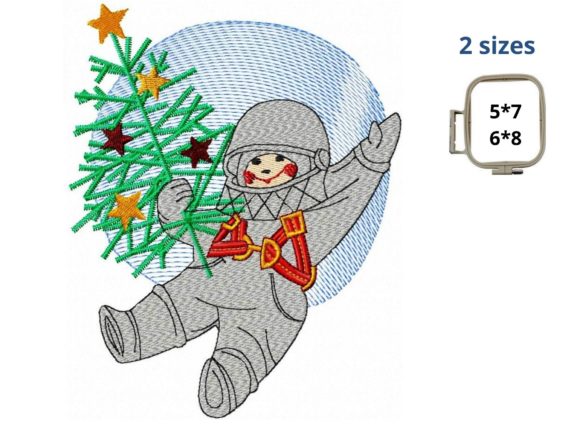
- Hoop size – You’ll need to confirm the exact dimensions. A 4x4 hoop may work for a chest placement, but a 5x7 or larger hoop will give you flexibility for back designs or scaling up.
If you’re an apparel decorator or creative entrepreneur running multiple sizes, I’d recommend creating a test stitch-out on a scrap of your actual fabric. Check for thread breaks, skipped stitches, or any distortion in the elf’s face or details. Small adjustments in tension or hooping technique can make a big difference in the finished product.
Durability and Commercial Apparel Use
When you’re selling to customers who expect a premium experience, washing durability is non-negotiable. Little Elf needs to survive repeated wear and washing without losing shape or thread integrity. Based on the design’s structure, I’m confident it will hold up well if:
- You use quality thread (polyester or rayon, not cotton for apparel).
- You stabilize properly, as mentioned above.
- You avoid over-saturating the design with too many color changes that could create weak points.
For a small boutique brand building brand identity and visual recognition, having a design that looks as good after ten washes as it does on the first wear builds buyer trust. I’ve seen too many cute designs fail because the embroidery started fraying or the stabilizer peeled. Little Elf has a solid, compact shape that doesn’t rely on fragile details, which is a strong sign for commercial use.
How Little Elf Affects Product Value and Customer Engagement
Design choices directly influence how customers perceive your brand. Little Elf lands in the sweet spot between cute and premium. It’s not overly cartoonish, nor is it too abstract. For a boutique brand targeting the holiday season, this design can become a signature piece that customers associate with quality and care.
In lifestyle product photography, the design looks intentional. It doesn’t scream “I added a stock patch.” Instead, it reads as a thoughtful part of the garment. That visual consistency supports customer engagement and repeat purchases. When you’re an Etsy seller or digital seller offering design assets, a versatile design like this can also be sold as a standalone machine embroidery design for other makers, which opens additional revenue streams.
I also see potential for sleeve accents or back designs in a coordinated collection. For example, a chest-sized Little Elf on a crewneck sweatshirt, paired with a larger version on the back of an oversized hoodie, creates a cohesive look that encourages bundle purchases. That’s smart merchandising for a small shop product lineup.
Final Thoughts on Little Elf for Your Boutique Sweatshirt Project
If you’re preparing a limited custom apparel drop for the Christmas season, Little Elf is a strong contender. It’s festive without being gimmicky, detailed without being fragile, and versatile enough for multiple placements and fabric types. The embroidery file comes in multiple formats, which is a practical plus for any machine embroidery design workflow.
Before you finalize production, I recommend:
- Confirming the exact stitch count and hoop size for your specific embroidery file.
- Running a test stitch-out on your actual sweatshirt embroidery fabric.
- Choosing thread colors that complement your boutique brand palette.
- Using a medium-weight cutaway stabilizer for best results.
- Planning your placement—chest, back, or sleeve—based on your garment silhouette.
When executed well, Little Elf elevates a simple sweatshirt into a handmade product that feels special and worth the investment. For apparel decorators, creative entrepreneurs, and Etsy sellers building a reputation for quality, this design supports the kind of brand identity that keeps customers coming back. It’s a festive, functional, and commercially viable option for your next holiday collection.