Leopard Bunny Embroidery Review
As a designer and embroidery product reviewer, I’ve evaluated countless machine embroidery designs. Leopard Bunny stands out as a charming and versatile option, especially for Easter-themed projects. But like any design, it has its strengths and limitations that need careful consideration before use in real-world applications.
First Impressions: A Playful and Adorable Design
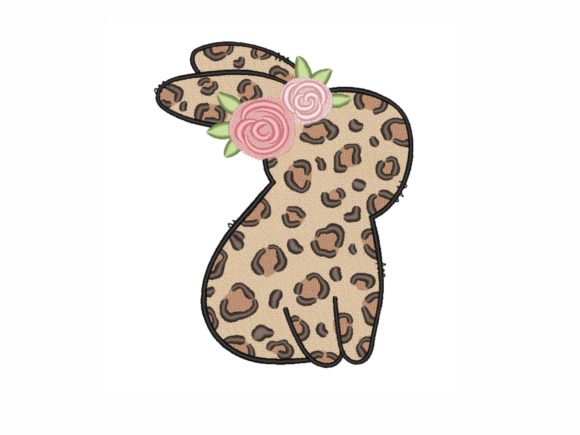
Leopard Bunny immediately evokes a sense of whimsy and charm. The design features a stylized bunny with a leopard-like pattern, blending cute and bold elements. The layout is balanced, with enough detail to make the bunny recognizable without being overly complex. It feels like a design that could work well on a variety of items, from baby clothes to home decor.
The visual personality of Leopard Bunny is playful yet sophisticated. It’s not too childish, which makes it suitable for a wider range of customers. The shape and theme suggest it could be used in both casual and more refined settings, depending on how it’s applied.
Real-World Use Cases: Where Does Leopard Bunny Shine?
Leopard Bunny is ideal for custom apparel, such as tote bags, sweatshirts, and t-shirts. It would look great as a tote bag design or a sweatshirt embroidery, especially for spring and Easter-themed collections. Its size and detail level also make it a good candidate for embroidered patches or small decorative accents on caps and aprons.
For baby items, Leopard Bunny could be a nice addition to onesies, blankets, or nursery decor. Its soft, cartoonish style is appropriate for young children, and the design isn’t too intricate to risk being lost in fabric texture.
It also works well as a holiday embroidery project. Whether it’s for Easter gifts, personalized presents, or boutique merchandise, the design offers a fresh and unique look that can stand out in a crowded market.
Challenges and Considerations: When to Be Cautious
While Leopard Bunny is visually appealing, it may not be the best choice for all embroidery projects. For instance, if you're working with small hoop sizes, the design might be too large or require multiple hooping steps. This could complicate the process and increase the risk of misalignment.
On textured fabrics or thin, stretchy materials, the design may not stitch as cleanly. The details might get distorted or lost, especially in areas with dense stitch density. Similarly, on dark fabrics, the thread colors may not show up as clearly, so testing on different backgrounds is essential.
Small details, such as the bunny’s ears or facial features, could be challenging on curved surfaces like caps or hats. If the design needs to be stitched on a curved area, it’s important to ensure the hoop size and stabilizer support are adequate to prevent puckering or distortion.
Impact on Visual Appeal and Product Value
Leopard Bunny adds visual interest and a touch of personality to any finished product. Its design is clean enough to look professional but still retains a handmade feel, which is valuable for Etsy sellers and small shop owners. When stitched properly, it can elevate the perceived value of a handmade product, making it more attractive to buyers looking for unique, personalized items.
From a customer perspective, Leopard Bunny has a strong potential for recognition and appeal. People often respond positively to cute and quirky designs, especially during holidays like Easter. This makes it a good fit for gift items, where visual impact and emotional connection play a big role.
Practical Designer Notes: What to Check Before Using
Before using Leopard Bunny in your own projects, it’s wise to test it on scrap fabric. This will help you assess how the design looks on different materials and whether the stitch density is appropriate. You should also check the thread color contrast to ensure it complements the fabric and doesn’t fade or clash.
Reviewing the hoop size is crucial, especially if you’re planning to use it on smaller items. Make sure the design fits comfortably within your machine’s capabilities. Additionally, inspect small details like the bunny’s face or paws to see if they hold up under stitching conditions.
Testing the design in black and white mockups can help you visualize how it will look on various backgrounds. Comparing it on light and dark fabrics will give you a better idea of its versatility. Using the right stabilizer is also key, especially when working with delicate or stretchy materials.
Finally, confirm whether the design is suitable for both personal and commercial use. Always check the licensing terms before selling finished items or digital products to avoid any legal issues.
Conclusion: A Versatile Design with Thoughtful Applications
Leopard Bunny is a charming and adaptable machine embroidery design that can enhance a wide range of projects. Its playful aesthetic and clean layout make it a great choice for Easter, baby, and holiday-themed items. However, like any design, it requires thoughtful application to ensure it looks its best on different fabrics and in various settings.
Whether you're an Etsy seller, a craft business owner, or a hobbyist, Leopard Bunny offers creative potential when used with care. By following practical tips and considering the design’s limitations, you can maximize its impact and create beautiful, high-quality embroidered products that resonate with your audience.